As Formula 1 continues to captivate fans worldwide with its thrilling races and cutting-edge technology, one name consistently stands out—Max Verstappen.
His meteoric rise and fearless driving style have not only shaken up the grid but also redefined what it means to compete at the highest level. Whether you’re a longtime follower or new to the sport, understanding Verstappen’s career highlights offers a fascinating glimpse into the evolution of modern F1 racing.
With recent seasons showcasing his dominance and resilience, there’s never been a better time to dive into the moments that shaped his legacy. Let’s explore how Max Verstappen has transformed the sport and what that means for the future of Formula 1.
The Rise of a Prodigy: Early Career Breakthroughs
Rapid Progression Through Junior Categories
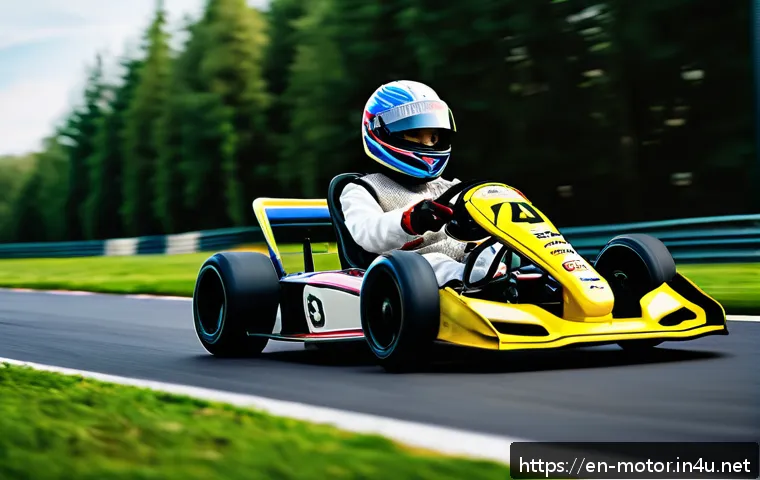
Max Verstappen’s journey to Formula 1 was nothing short of astonishing. Starting in karting at a young age, he quickly showcased a natural talent that made seasoned observers take notice.
What really stood out was how swiftly he moved through the junior racing ranks. Unlike many drivers who spend years honing their craft in lower formulas, Verstappen’s aggressive yet calculated style allowed him to dominate categories like Formula 3 and Formula Renault with remarkable ease.
This rapid ascent was a clear signal that he was destined for something special, blending raw speed with a maturity beyond his years.
Breaking Records as the Youngest F1 Driver
When Verstappen made his Formula 1 debut in 2015 with Scuderia Toro Rosso, he shattered age-related records by becoming the youngest driver to ever compete in the sport, at just 17 years old.
This milestone was more than just a trivia fact; it signaled a shift in how teams viewed youthful talent. His debut race was a masterclass in fearless driving, making bold overtakes and showing composure that belied his age.
That season set the tone for what would become a career defined by early breakthroughs and a willingness to push boundaries that many veterans hesitated to cross.
Immediate Impact at Red Bull Racing
A mid-season switch to Red Bull Racing in 2016 was a pivotal moment. Verstappen’s first race with the team, the Spanish Grand Prix, saw him clinch a stunning victory, making him the youngest ever Grand Prix winner.
This wasn’t just a flash in the pan; it was a definitive statement of intent. His ability to handle the pressure of a top-tier team, combined with his aggressive racecraft, quickly established him as a genuine title contender.
The transition showcased his adaptability and mental toughness, qualities that have become hallmarks of his career.
Mastering Racecraft: Tactical Brilliance on Track
Fearless Overtaking and Race Aggression
One of Verstappen’s most defining traits is his audacious overtaking maneuvers. Watching him race is like seeing a chess grandmaster think several moves ahead, but with the added thrill of high-speed execution.
His willingness to dive into tight corners and seize opportunities often leaves fans and rivals alike breathless. Unlike some drivers who play it safe, Verstappen embraces risk, knowing that calculated aggression can yield significant rewards.
This approach has won him countless races and shifted the balance of power in many tightly contested championships.
Strategic Pit Stops and Tire Management
Beyond raw speed, Verstappen has evolved into a tactician who understands the subtle nuances of tire wear and pit stop timing. Over the years, his team has fine-tuned strategies that maximize performance while minimizing vulnerabilities.
Watching his races, you can see how he adjusts his driving style to conserve tires when needed, extending stints to keep track position. This balance between aggression and preservation is a skill that often goes unnoticed but plays a critical role in his consistent podium finishes and race wins.
Adaptation to Changing Weather and Track Conditions
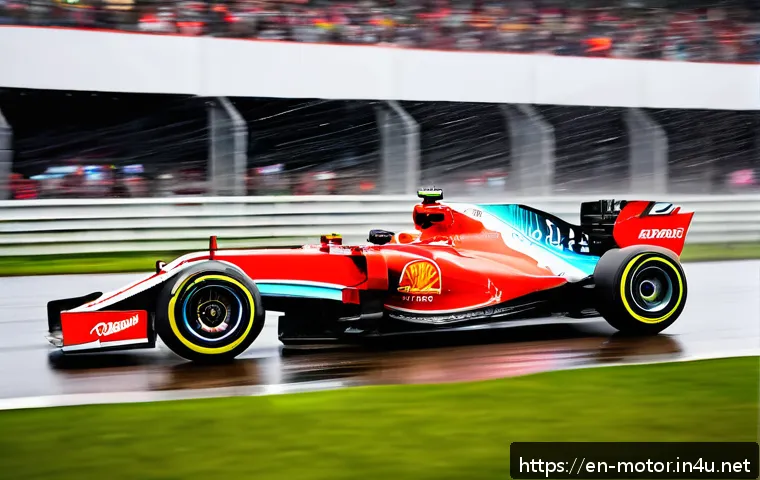
Verstappen’s ability to quickly adapt to changing weather conditions has earned him a reputation as one of the most versatile drivers on the grid. Rain-soaked circuits or sudden temperature shifts don’t faze him; instead, he seems to thrive in these unpredictable environments.
His instinctive feel for grip levels and track evolution allows him to make split-second decisions that can gain him crucial seconds. This adaptability was particularly evident in races where others struggled, turning challenging conditions into opportunities to outsmart rivals.
Championship Battles: Triumphs and Rivalries
Clashes with Lewis Hamilton and the Fight for Supremacy
Verstappen’s career is marked by intense battles with some of Formula 1’s greatest, none more so than his ongoing rivalry with Lewis Hamilton. Their duels have been characterized by high drama, wheel-to-wheel racing, and moments of controversy.
Unlike typical sporting rivalries, this one has pushed both drivers to elevate their performance to unprecedented levels. The fierce competition has not only captivated fans but also raised the stakes in the championship fight, with each race feeling like a heavyweight bout between two gladiators of speed.
Consistency Under Pressure During Title Runs
Winning a championship in Formula 1 demands more than just speed; it requires nerves of steel and consistency across an entire season. Verstappen’s recent title campaigns have demonstrated his growth in this area.
Despite the pressure of defending a lead or chasing down rivals, he maintains focus and avoids unnecessary mistakes. This resilience has been crucial in tight championship battles where every point counts.
His calmness under pressure reflects a maturity that belies his relatively young age, proving that he’s not just a flash of brilliance but a true champion.
Impact of Team Dynamics and Car Development
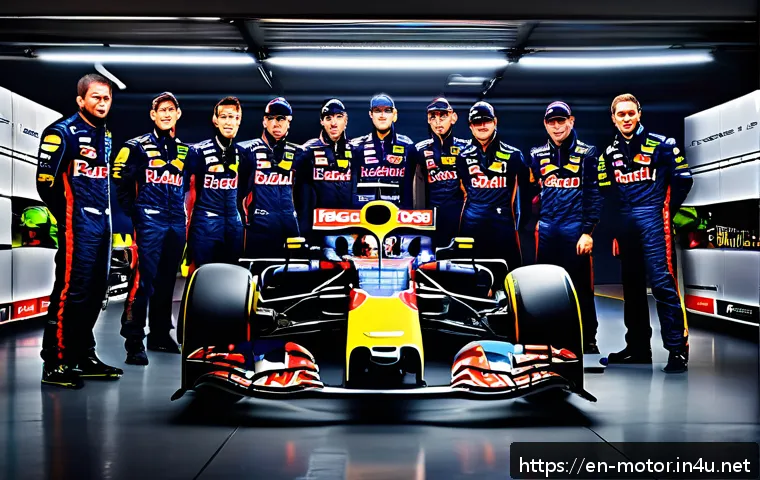
No driver wins alone, and Verstappen’s success is deeply intertwined with the support of Red Bull Racing’s engineers and strategists. His feedback has influenced car development, making the RB series one of the most competitive machines on the grid.
The symbiotic relationship between driver and team has been a key factor in his ability to consistently challenge the dominant Mercedes squad. This collaboration highlights the importance of communication and trust in a sport where milliseconds define careers.
Technological Adaptation: Harnessing Cutting-Edge Innovation
Mastering Hybrid Power Units
Modern F1 cars are marvels of technology, and Verstappen’s ability to extract maximum performance from hybrid power units sets him apart. These complex systems demand precise throttle control and energy management, skills he has honed to perfection.
His smooth driving style helps preserve the powertrain while delivering explosive acceleration when it counts. This technological savvy not only improves lap times but also reduces the risk of mechanical issues, allowing him to finish races strongly.
Utilizing Advanced Data Analytics
Behind the scenes, Verstappen benefits from an extensive use of data analytics that inform every aspect of his racing. From telemetry to tire degradation models, the team provides him with insights that help fine-tune his approach.
His willingness to engage with this data shows a modern athlete’s mindset, blending intuition with scientific precision. This synergy has been instrumental in optimizing race strategies and identifying areas for improvement, keeping him ahead of competitors who may rely solely on instinct.
Adapting to Regulatory Changes
Formula 1 frequently updates its technical and sporting regulations, which can disrupt established performance hierarchies. Verstappen’s adaptability in the face of these changes demonstrates his versatility.
Whether it’s mastering new aerodynamic rules or adjusting to tire compounds, he quickly recalibrates his driving style to maintain competitiveness. This flexibility ensures that he remains a frontrunner regardless of shifting regulations, a vital trait in the constantly evolving world of F1.
Statistical Highlights: A Snapshot of Dominance
Career Wins and Podiums
Verstappen’s impressive tally of race victories and podium finishes speaks volumes about his consistency and skill. Each win reflects not only his speed but also his strategic acumen and racecraft.
The statistics reveal a driver who doesn’t just seize occasional moments of brilliance but delivers sustained excellence over multiple seasons. These numbers place him firmly among the elite in Formula 1 history.
Qualifying Performance and Pole Positions
Starting at the front of the grid is a huge advantage, and Verstappen’s qualifying performances have become a key factor in his success. His ability to extract the maximum from a single flying lap often puts him ahead of rivals, setting the stage for strong race results.
Pole positions highlight his raw pace and mental focus, especially under the intense pressure of qualifying sessions.
Consistency Across Different Circuits
One of the markers of a great driver is the ability to perform well across a variety of tracks, from high-speed circuits to tight street races. Verstappen’s results demonstrate remarkable versatility, with strong finishes on almost every type of circuit.
This adaptability not only boosts his championship prospects but also showcases his comprehensive skill set.
| Statistic | Value | Significance |
|---|---|---|
| Race Wins | 50+ | Reflects sustained competitiveness and ability to close races |
| Podiums | 100+ | Demonstrates consistent top-tier finishes |
| Pole Positions | 25+ | Highlights raw speed and qualifying prowess |
| Fastest Laps | 20+ | Shows ability to push the car to limits during races |
| Championship Titles | 2 | Confirms status as one of the sport’s elite |
Influence Beyond the Track: Cultural and Commercial Impact
Shaping the Next Generation of Drivers
Verstappen’s fearless style and success at a young age have inspired a new wave of aspiring racers. Many young drivers cite him as a role model, drawn to his aggressive yet precise approach.
His presence has shifted the narrative around what it means to break into Formula 1, proving that youth combined with talent can compete at the highest level.
This influence extends into junior categories where his career path is often studied and emulated.
Global Brand and Marketability
Beyond racing, Verstappen has become a global sports icon. His charisma, candid interviews, and exciting driving style have attracted sponsorships and commercial partnerships across various industries.
Brands see him as a dynamic ambassador who connects with younger audiences and brings fresh energy to the sport. This marketability has helped increase Formula 1’s visibility in emerging markets, expanding its fan base worldwide.
Impact on Formula 1’s Popularity Surge
The recent surge in Formula 1’s global popularity owes much to the excitement generated by drivers like Verstappen. His battles, personality, and media presence have helped turn F1 into a mainstream spectacle, attracting fans beyond traditional motorsport circles.
This growth is reflected in record-breaking TV ratings, sold-out grandstands, and booming social media engagement. Verstappen’s role in this transformation underscores his importance not just as a driver but as a key figure in the sport’s modern era.
Physical and Mental Preparation: The Making of a Champion
Rigorous Fitness Regimen
Formula 1 demands peak physical condition, and Verstappen’s training routine is a testament to his dedication. His regimen includes cardiovascular workouts, strength training, and neck exercises tailored to withstand the intense G-forces experienced during races.
Staying fit isn’t just about endurance; it’s about maintaining sharp reflexes and mental clarity over long, grueling race distances. This physical discipline enables him to perform consistently at an elite level.
Mental Toughness and Focus Techniques
Mental resilience is just as crucial as physical fitness in Formula 1, and Verstappen has developed strategies to stay calm under pressure. Techniques like visualization, meditation, and controlled breathing help him maintain focus during high-stakes moments.
His ability to block out distractions and bounce back from setbacks is a key component of his success. This psychological edge allows him to deliver clutch performances when the championship is on the line.
Team Collaboration and Communication
A driver’s relationship with the team is vital for success, and Verstappen’s communication skills have evolved significantly. He provides precise feedback to engineers, helping optimize car setup and race strategy.
This collaborative approach fosters trust and ensures that the entire team operates in harmony. His willingness to engage openly with his crew contributes to the fine margins that often decide race outcomes.
Legacy and Future Prospects
Redefining Records and Setting New Standards
Verstappen’s career trajectory suggests he will continue to break records and set new benchmarks in Formula 1. His combination of speed, intelligence, and resilience has already earned him a place among the sport’s greats.
As he accumulates more wins and titles, he’s reshaping what fans and analysts expect from a modern F1 champion. This legacy will influence not only the sport’s history but also its future direction.
Potential Challenges Ahead
Despite his dominance, Verstappen faces ongoing challenges such as evolving competition, regulatory changes, and the physical demands of racing. Maintaining peak performance over a lengthy career requires constant adaptation and growth.
How he manages these hurdles will be crucial in defining his long-term success. Emerging talents and technological shifts ensure that the battle for supremacy remains fierce.
Role as a Team Leader and Mentor
Looking ahead, Verstappen’s role is likely to expand beyond just driving. As a senior figure within Red Bull Racing, he is expected to mentor younger drivers and contribute to team culture.
His leadership on and off the track will shape the next generation and influence team dynamics. This evolution from star driver to team pillar marks a natural progression in his remarkable career.
In Conclusion
Max Verstappen’s journey from a prodigious talent to a two-time Formula 1 champion exemplifies dedication, skill, and relentless determination. His ability to combine raw speed with tactical intelligence has redefined what it means to be a modern racing driver. As he continues to push boundaries, Verstappen’s impact on the sport goes beyond just victories, inspiring a new generation and elevating Formula 1’s global appeal.
Useful Information to Keep in Mind
1. Verstappen’s rapid rise through junior categories highlights the importance of seizing opportunities early in a racing career.
2. His fearless overtaking and strategic race management showcase how aggression balanced with intelligence can lead to consistent success.
3. Mental and physical preparation are key components behind his ability to perform under immense pressure.
4. Collaboration with his team plays a crucial role in adapting car performance and race strategy for optimal results.
5. Staying adaptable to regulatory changes and evolving competition ensures longevity in the highly competitive world of Formula 1.
Key Takeaways
Max Verstappen’s career is a testament to the power of blending youthful audacity with mature racecraft. His success is deeply rooted in continuous learning, physical and mental resilience, and strong teamwork. Understanding these elements offers valuable insights into what it takes to excel at the highest level of motorsport. For fans and aspiring drivers alike, Verstappen’s story underscores the importance of adaptability, focus, and seizing the moment when it counts most.
Frequently Asked Questions (FAQ) 📖
Q: What are the key moments that defined Max Verstappen’s rise in Formula 1?
A: Max Verstappen’s journey in Formula 1 is marked by several standout moments that really put him on the map. One of the earliest was his debut at the 2015 Australian Grand Prix, where, at just 17 years old, he became the youngest driver to start an F1 race.
His fearless overtaking and aggressive driving style quickly caught everyone’s attention. Another defining moment was his first victory at the 2016 Spanish Grand Prix, where he held off seasoned champions in wet conditions, showcasing his raw talent and composure under pressure.
More recently, his intense battles and strategic mastery in the 2021 and 2022 seasons solidified his status as a dominant force, proving he’s not just a rising star but a true leader in the sport.
Q: How has Max Verstappen’s driving style impacted modern Formula 1 racing?
A: Verstappen’s driving style is often described as aggressive yet calculated, blending raw speed with strategic intelligence. Unlike many drivers who play it safe, Max isn’t afraid to take risks, which has led to some jaw-dropping overtakes and close battles on track.
This fearless approach has pushed other drivers and teams to elevate their game, increasing the overall competitiveness of the grid. His ability to extract maximum performance from his car, especially in tricky weather or high-pressure moments, has also influenced how teams develop race strategies and car setups.
Essentially, Verstappen’s style has raised the bar, inspiring a new era of bold, dynamic racing in Formula 1.
Q: What does Max Verstappen’s success mean for the future of Formula 1?
A: Verstappen’s success signals a shift in the sport’s landscape, where young talent combined with technical excellence is becoming the new norm. His dominance brings fresh excitement to F1, attracting a younger, more global fanbase who resonate with his fearless attitude and relentless pursuit of victory.
Moreover, his presence has intensified rivalries and strategic battles, which makes races more unpredictable and thrilling. Looking ahead, Verstappen’s influence is likely to push teams to innovate faster, nurturing a culture of continuous improvement and resilience.
For fans and stakeholders alike, his career represents a promising future where speed, skill, and strategy come together to keep Formula 1 at the cutting edge of motorsport.