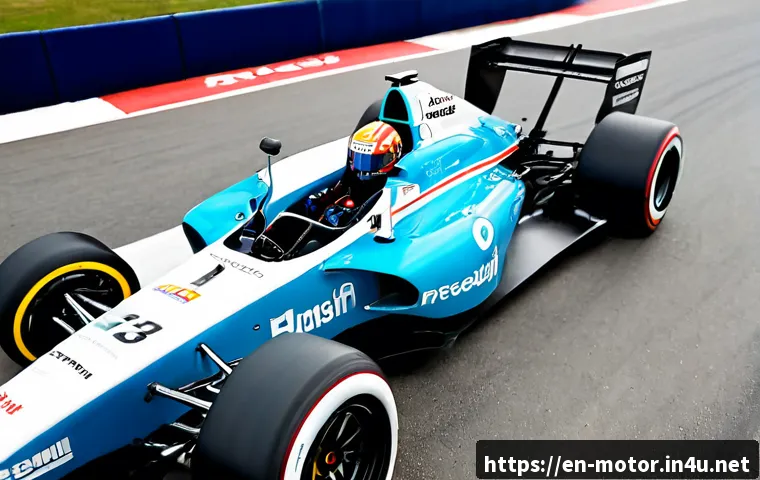
Motorsport is buzzing more than ever, with thrilling races and new talents capturing hearts worldwide. If you’ve ever felt lost amid the rapid-fire terms commentators toss around, you’re not alone.
Understanding racing lingo not only deepens your appreciation but also brings you closer to the pulse of the sport. Whether you’re a casual viewer or an aspiring fan, unlocking these key phrases will transform how you experience every lap, pit stop, and podium moment.
Let’s dive into the essential glossary that every racing enthusiast needs to know to truly rev up their motorsport passion.
Getting a Grip on Race Dynamics
Understanding the Racing Line
When you watch a race, the racing line is the invisible thread that drivers follow to slice through corners with maximum speed and minimum fuss. It’s not just about hugging the inside edge; it’s about the perfect balance between entry, apex, and exit points.
Drivers aim to carry momentum while minimizing tire wear and maintaining control. Watching how a driver adjusts their line lap after lap reveals their skill and strategy.
For newcomers, spotting when a driver deviates from the usual line often signals an overtaking attempt or a response to track conditions, making the race even more thrilling.
The Art of Overtaking
Overtaking isn’t just about speed; it’s a chess match on wheels. Drivers need to find the right moment and place to pass without risking a collision. You’ll hear commentators mention “slipstream” or “drafting,” which is when a car closely follows another to reduce air resistance before pulling out to pass.
Spotting a successful overtake involves watching for sudden acceleration out of corners or on straights, often accompanied by a daring dive into braking zones.
Understanding the nuances of overtaking helps you appreciate the split-second decisions drivers make under immense pressure.
Managing Tire and Fuel Strategy
Tires and fuel are the unsung heroes of any race. Different compounds affect grip and durability, and teams constantly monitor tire temperatures and wear.
Fuel management is equally critical; running too light can mean losing time to extra pit stops, while too heavy slows the car down. Drivers communicate with their crews to adjust pace and pit stop timing.
From my experience watching races live, the tension around pit strategies often defines race outcomes, turning what seems like a simple stop into a high-stakes gamble.
Decoding Pit Stop Jargon
What Happens During a Pit Stop?
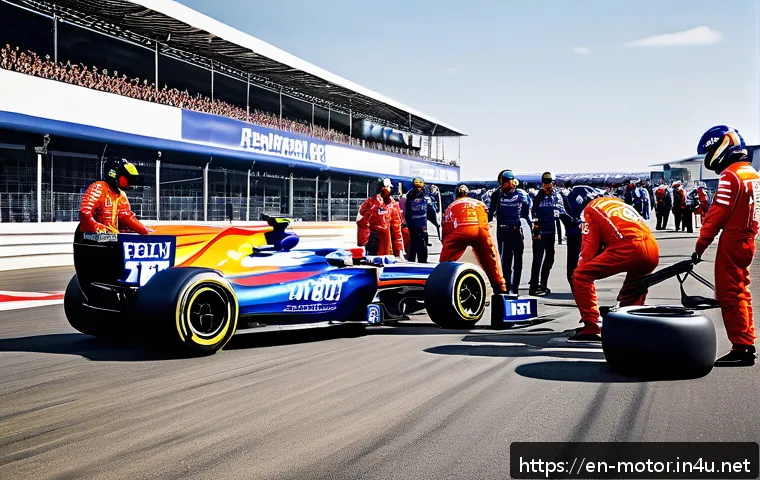
Pit stops are a whirlwind of activity, often lasting just a few seconds but packed with precise choreography. Teams refuel, change tires, and sometimes adjust aerodynamics or repair minor damage.
The speed and efficiency of these stops can make or break a race, which is why teams practice relentlessly. Understanding terms like “undercut” (pitting earlier to gain track position) or “overcut” (staying out longer to capitalize on fresher tires later) gives insight into the tactical depth behind these brief moments.
Pit Crew Roles and Responsibilities
Each member of the pit crew has a specialized role, from tire changers and gun operators to fuelers and lollipop men who signal when to leave. The precision and timing required are staggering—every millisecond counts.
Seeing a pit stop in action is like watching a perfectly rehearsed dance. When a mistake happens, it’s immediately obvious and can cost a driver valuable positions, which adds to the drama of the race.
How Pit Strategy Influences Race Outcome
Pit strategy is a dynamic puzzle shaped by track layout, weather, and race incidents like safety cars. Teams use real-time data to decide the optimal number of stops and timing.
For example, a timely pit stop during a safety car period can vault a driver into the lead. I’ve noticed that fans who understand these strategies tend to stay glued to the race, appreciating the constant interplay between speed on track and decisions off it.
Essential Terms That Pop Up in Every Broadcast
Common Phrases Explained
Terms like “DRS” (Drag Reduction System) and “pole position” often get tossed around, but their meanings carry weight. DRS allows cars to reduce aerodynamic drag on certain straights to aid overtaking, while pole position is the coveted top spot on the starting grid after qualifying.
Knowing these terms helps you follow commentary with ease and catch the significance of events as they unfold.
Flag Signals and What They Mean
Flags are the language of safety and communication during a race. A yellow flag warns of danger ahead and prohibits overtaking, while a blue flag signals a slower car must let a faster one pass.
The black flag is the harshest, indicating a driver must come to the pits, usually for a penalty. Being aware of flag meanings enhances your viewing experience, especially during chaotic race moments.
Technical Terms for Car Performance
Words like “downforce,” “understeer,” and “oversteer” describe how cars handle on track. Downforce pushes the car down onto the track for better grip; understeer is when the front tires lose grip and the car turns less than intended, while oversteer is the opposite, with the rear tires sliding out.
These terms might sound technical but grasping them lets you understand why a driver might struggle or shine in certain corners.
How Weather and Track Conditions Shake Things Up
Adapting to Rain and Wet Tracks
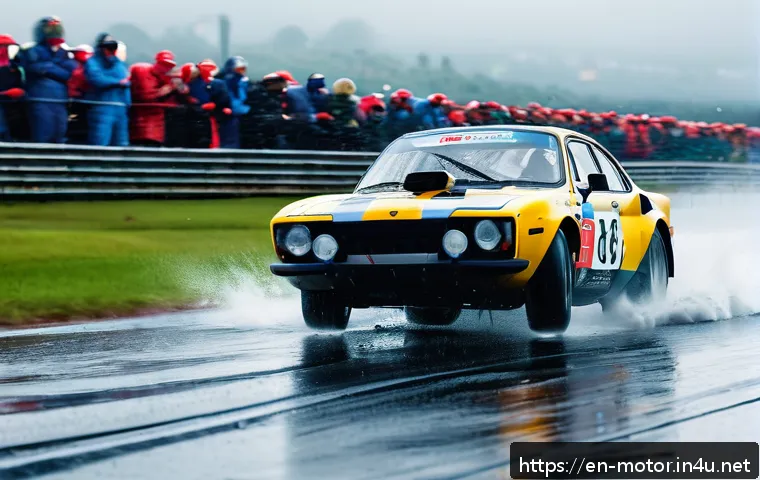
Rain transforms a race into a completely different challenge. Drivers switch to wet tires that have grooves to channel water away, reducing hydroplaning.
The racing line shifts since the usual dry path can become slippery. Watching how drivers adapt their braking points and throttle application in wet conditions is fascinating and often leads to unexpected leaders emerging.
Heat and Tire Degradation
High temperatures can wreak havoc on tires, causing them to degrade faster and lose grip. Drivers must balance aggression with conservation, often backing off slightly to preserve tires for the race’s latter stages.
Teams monitor track temperature closely and adjust strategies accordingly. It’s a delicate dance of pushing hard enough to stay competitive without compromising the finish.
Track Evolution Over a Race Weekend
As more cars lap the circuit, rubber gets laid down, increasing grip—a process called “track evolution.” This means lap times usually improve as the race progresses.
Drivers and engineers keep an eye on these changes to fine-tune setups and tire choices. It’s one of those behind-the-scenes aspects that may go unnoticed but plays a crucial role in race strategy.
Understanding Penalties and Race Regulations
Common Penalties Explained
Penalties can range from time additions and drive-throughs to grid drops and disqualifications. They’re usually handed out for infractions like jump starts, unsafe releases from the pit lane, or causing collisions.
Knowing these rules helps you grasp why a driver might lose positions or get a penalty, adding context to the drama.
How Stewards Make Decisions
Race stewards review incidents using video and telemetry data to determine fault and appropriate penalties. Their decisions can be controversial but are aimed at keeping racing fair and safe.
Understanding their role helps fans appreciate the complexity behind race governance and why some calls take time.
The Impact of Safety Car Periods
Safety cars bunch up the field when there’s an accident or debris on track, neutralizing the race temporarily. This can erase a leader’s advantage and create opportunities for strategic pit stops.
Watching how drivers and teams respond to these interruptions reveals a lot about race management and driver composure.
Quick Reference: Key Motorsport Terms at a Glance
| Term | Meaning | Why It Matters |
|---|---|---|
| Racing Line | The optimal path around the track for speed and control | Knowing it helps understand driver strategy and lap times |
| DRS (Drag Reduction System) | System that reduces aerodynamic drag to aid overtaking | Crucial for passing on straights, adding excitement |
| Pole Position | First starting position on the grid after qualifying | Gives a strategic advantage at race start |
| Understeer | When the car turns less than intended, front tires lose grip | Indicates handling issues affecting cornering speed |
| Safety Car | Vehicle deployed to slow the race during hazards | Neutralizes race, affects strategy and driver gaps |
| Pit Stop | A stop during a race for tire changes, refueling, or repairs | Can make or break race outcomes based on speed and timing |
| Slipstream | Using the airflow behind another car to gain speed | Key for overtaking and race tactics |
| Blue Flag | Signal for slower cars to let faster cars pass | Maintains race order and safety |
The Human Element Behind the Machines
Driver Skill Beyond Raw Speed
Speed alone doesn’t win races—drivers must master consistency, racecraft, and mental resilience. Managing tire wear, reading competitors, and handling pressure are skills honed over years.
From personal experience watching live races, the drivers who shine aren’t always the fastest in qualifying but those who adapt and persevere through the chaos.
Teamwork: The Unsung Hero
Racing is a team sport. Engineers, strategists, and mechanics work tirelessly behind the scenes. I’ve seen teams celebrate pit stop successes and strategize during tense moments, showing how every member’s contribution counts.
This collaboration often turns close calls into victories.
Fan Culture and Its Impact
Motorsport fans bring energy that fuels the sport’s spirit. From trackside cheers to online communities, the passion is contagious. Understanding racing terms enhances your connection to this vibrant culture, making every race feel personal and electrifying.
Whether you’re cheering for a rookie or a seasoned champion, knowing the language lets you share in the excitement fully.
In Closing
Racing is a thrilling blend of strategy, skill, and split-second decisions. Understanding the dynamics behind the scenes—from tire management to pit stops—deepens the excitement of every lap. Whether you’re a casual viewer or a passionate fan, grasping these elements makes watching races far more engaging and rewarding.
Helpful Information to Keep in Mind
1. Knowing the racing line helps you anticipate driver moves and appreciate their precision on track.
2. Pit stop strategies can dramatically change race outcomes, so watch for timing and execution.
3. Weather conditions play a huge role in tire performance and driver tactics throughout a race.
4. Recognizing flag signals and common racing terms enhances your understanding of race flow and safety.
5. The human aspect—the teamwork and mental toughness of drivers and crews—is as important as the machines they operate.
Key Takeaways
Mastering the basics of race dynamics, pit stop procedures, and essential terminology enriches your viewing experience. Staying aware of how weather, strategy, and regulations impact the race will help you follow the action closely. Ultimately, appreciating the blend of human skill and technical precision behind motorsport makes every race more captivating and enjoyable.
Frequently Asked Questions (FAQ) 📖
Q: uestionsQ1: What does “pole position” mean in motorsport?
A: Pole position refers to the starting spot at the very front of the grid, awarded to the driver who sets the fastest time during qualifying. Starting from pole is a huge advantage because it puts the driver ahead of everyone else at the race start, increasing their chances of leading early and controlling the pace.
I remember watching a race where the pole sitter dominated from start to finish, which really showed how crucial this position can be.
Q: Can you explain what a “pit stop” involves and why it’s important?
A: A pit stop is when a driver pulls into the pit lane during a race for quick maintenance—usually to change tires, refuel, or fix minor issues. Pit stops are high-pressure moments because every second counts; a slow stop can cost positions, while a lightning-fast one can gain them.
From my experience watching live races, the pit crew’s coordination and speed often become the deciding factor between winning and losing.
Q: What does “DRS” stand for and how does it affect racing?
A: DRS stands for Drag Reduction System, a technology used mainly in Formula 1 to help drivers overtake. It allows the driver to open a flap in the rear wing, reducing aerodynamic drag and boosting straight-line speed.
However, it can only be used in designated zones and under certain conditions, like being within one second of the car ahead. I’ve seen some thrilling overtakes thanks to DRS, which adds an exciting tactical layer to races.