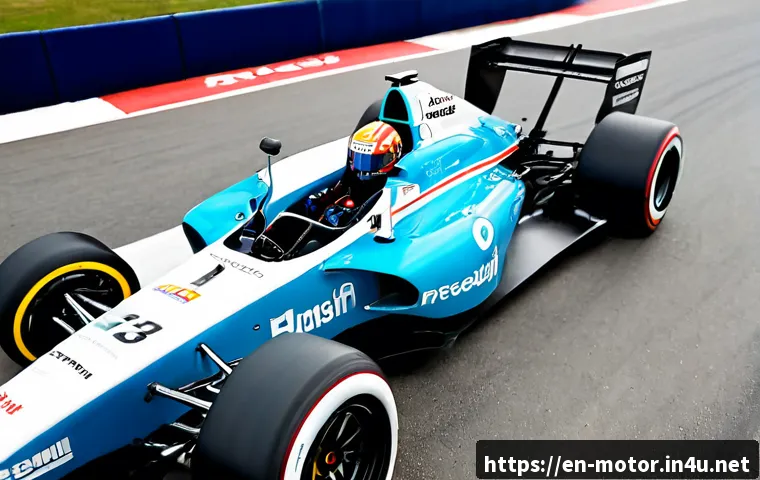
With the 2024 Formula 1 season roaring ahead, fans and insiders alike are buzzing not just about the fierce competition on the track but also the staggering paychecks behind the scenes.
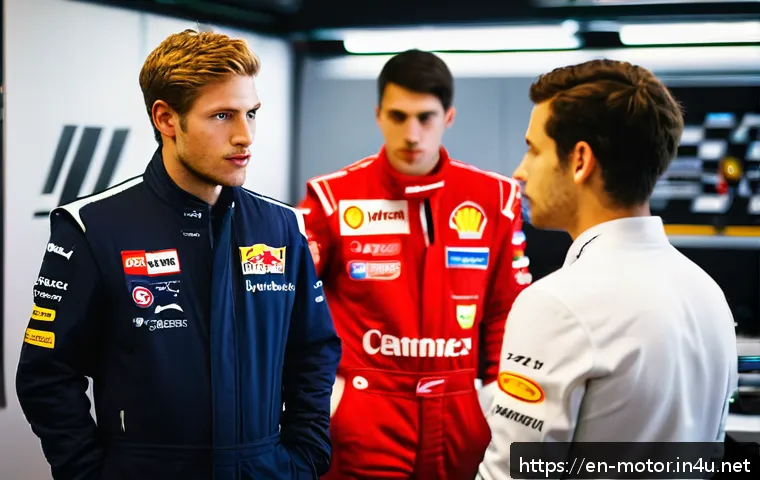
As contracts get signed and renegotiated, the spotlight turns to the jaw-dropping salaries of the sport’s elite drivers. Whether you’re a die-hard fan or just curious about the business side of racing, understanding these figures offers a fascinating glimpse into how talent, fame, and performance translate into massive earnings.
Let’s dive into the world where speed meets six-figure—and sometimes seven-figure—paydays, revealing what makes F1 driving one of the most lucrative careers in sports today.
Stick around to see who’s leading both the championship and the salary charts this year.
The Rising Stars Commanding Top Dollar
Young Talents Breaking the Pay Barrier
The 2024 season has seen some of the youngest drivers in Formula 1 pocketing salaries that would have been unimaginable just a few years ago. These rising stars aren’t just fast on the track; their marketability and potential to become future legends make them hot commodities for teams eager to build long-term success.
For instance, drivers in their early 20s are now commanding multi-million dollar contracts, reflecting not only their raw talent but also the strategic value teams place on nurturing fresh talent.
What’s fascinating is how these young guns negotiate clauses tied to performance bonuses, endorsements, and even social media presence, showing a new era where off-track influence significantly boosts their earnings.
How Experience Translates to Bigger Paychecks
Experience still matters hugely when it comes to negotiating contracts in F1. Veteran drivers who have proven their consistency and championship-winning capability tend to command the highest salaries.
These drivers bring invaluable knowledge, technical feedback, and a loyal fanbase that sponsors love. Teams are willing to pay a premium for this combination, often locking in multi-year deals worth tens of millions.
The delicate balance for these seasoned pros is maintaining top performance while mentoring younger teammates, which further solidifies their worth beyond just lap times.
Negotiation Tactics Behind the Scenes
Behind every headline-grabbing contract is a complex negotiation process involving agents, team principals, and sponsors. Drivers and their management teams leverage recent race performances, championship standings, and marketability metrics to push for higher pay.
Interestingly, some drivers accept lower base salaries but negotiate lucrative bonus structures tied to race wins, podiums, or even championship points.
This approach aligns incentives perfectly and can lead to significantly higher overall earnings if the season goes well. Understanding these tactics reveals why some contracts appear modest initially but balloon impressively by year’s end.
Team Budgets and Salary Caps: The Financial Battlefield
How Budget Caps Impact Driver Salaries
The introduction of strict budget caps in recent years has reshaped the financial landscape of Formula 1. Teams must now carefully allocate their limited resources between car development, staff salaries, and driver contracts.
This constraint has made salary negotiations more strategic, with teams often prioritizing a balanced lineup over splurging on a single superstar. The cap has also encouraged creative contract structures, including performance-based incentives and off-track commercial deals that don’t count against the budget.
These financial gymnastics make the salary figures even more intriguing as teams fight to maximize every dollar spent.
Differences Between Top Teams and Midfield Squads
The disparity in budgets between the top teams like Mercedes, Red Bull, and Ferrari and the midfield or smaller teams is massive. This gap heavily influences driver salaries, with the frontrunners able to offer significantly more lucrative contracts.
Midfield teams often rely on promising young drivers willing to prove themselves for less pay initially, hoping to climb the ranks. However, the top teams’ willingness to invest in proven champions or breakthrough talents creates a dynamic marketplace where salaries can skyrocket overnight if a driver’s performance catches the eye of a high-budget squad.
Salary Distribution Within Teams
Even within a single team, salary distribution can be quite uneven. The lead driver, often the one with the best results or championship potential, commands the lion’s share of the paycheck.
Meanwhile, the second driver, despite being crucial for team points and development, usually earns noticeably less. This internal hierarchy reflects both market demand and team strategy, where retaining a lead driver is paramount.
Occasionally, teams offer incentives to the second driver to push harder or stay loyal, but the gap remains a defining feature of F1 payrolls.
Endorsements and Off-Track Earnings: The Hidden Goldmine
How Brand Partnerships Boost Income
Beyond their base salaries, many F1 drivers earn substantial income through endorsements and sponsorship deals. These partnerships can sometimes surpass on-track earnings, especially for drivers with global appeal and charismatic personalities.
Big brands in automotive, luxury goods, fashion, and technology frequently tap into the F1 audience, paying handsomely for drivers to serve as ambassadors.
The most marketable drivers cleverly cultivate their public image, social media presence, and media appearances to maximize these deals, turning their fame into a lucrative side hustle.
The Role of Social Media and Personal Branding
In today’s digital age, a driver’s social media following significantly impacts their earning potential. Teams and sponsors look for personalities who can engage millions of fans worldwide, creating new revenue streams through sponsored posts, merchandise collaborations, and exclusive content.
Drivers who actively manage their online presence often command higher endorsement fees. This trend has shifted the traditional model, making off-track charisma and digital savvy nearly as important as raw driving skill in the business of Formula 1.
Merchandising and Licensing Deals
Merchandising adds another layer to driver income. From signature apparel lines to branded accessories, licensing agreements allow drivers to monetize their name and image.
These deals are typically negotiated alongside team contracts and endorsements, creating a diversified revenue portfolio. For top drivers, merchandising can become a steady income source that continues long after they retire from racing, securing financial stability beyond their active careers.
Contract Structures That Reflect Performance and Market Value
Base Salary Versus Performance Bonuses
Contracts in Formula 1 often blend guaranteed base pay with performance-based bonuses. This structure motivates drivers to consistently deliver top results while protecting teams from overcommitting financially if a driver underperforms.
Bonuses can include payments for race wins, podium finishes, pole positions, and even championship standings. From experience, drivers who push for these clauses tend to earn far more than their base salary, especially when driving for competitive teams with realistic championship prospects.
Multi-Year Deals and Their Strategic Importance
Multi-year contracts have become increasingly common, offering security for drivers and stability for teams. These agreements often include escalators that increase salary over time, reflecting the driver’s growing market value or anticipated performance improvements.
For teams, locking in talent early prevents rival squads from poaching key drivers. From a driver’s perspective, these deals provide peace of mind and allow them to focus fully on racing without the distraction of contract uncertainty.
Exit Clauses and Contract Flexibility

A critical but less visible aspect of F1 contracts is the inclusion of exit clauses and flexible terms. These provisions allow either party to terminate or renegotiate the deal under specific conditions, such as poor performance, team changes, or better offers elsewhere.
Such clauses provide a safety net and negotiation leverage, especially in a sport where fortunes can change rapidly. Drivers who have successfully exercised exit clauses often find themselves moving to better teams or securing improved contracts, demonstrating the importance of contract savvy in career longevity.
Comparing Salaries Across the Grid: Who’s Earning What?
Top Earners and Their Paychecks
At the summit of the salary pyramid, a handful of drivers earn salaries exceeding $50 million per year, combining base pay, bonuses, and endorsements.
These elite athletes are not just drivers but global icons whose names alone attract massive commercial interest. Their earnings reflect championship pedigree, fan following, and strategic value to their teams.
Observing these figures offers insight into how rare and valuable their skills truly are in the competitive world of Formula 1.
Midfield Salaries and Rising Competitors
Midfield drivers earn considerably less, generally ranging from $1 million to $10 million annually, depending on experience and team budget. However, some emerging talents in this bracket have structured contracts with significant upside through bonuses and sponsorships.
This group is the proving ground for future stars and often the most dynamic segment in terms of salary growth potential. Watching how these drivers negotiate and perform offers a glimpse of who might break into the top tier next.
Entry-Level Contracts and Pay Scales
Newcomers to Formula 1 often start with modest contracts, sometimes below $1 million, especially if driving for smaller teams. These contracts focus on gaining experience and exposure rather than immediate financial reward.
Yet, for many, these entry deals are stepping stones to richer contracts as they prove their worth on track. The journey from rookie to top earner can be swift or slow, but the salary progression is a key part of every driver’s story.
| Driver | Estimated Annual Salary (2024) | Team | Contract Type |
|---|---|---|---|
| Max Verstappen | $60 million | Red Bull Racing | Multi-year with performance bonuses |
| Lewis Hamilton | $50 million | Mercedes | Multi-year with endorsement clauses |
| Charles Leclerc | $15 million | Ferrari | Multi-year with escalating salary |
| Lando Norris | $8 million | McLaren | Performance-based bonuses |
| Oscar Piastri | $3 million | McLaren | Entry-level contract with bonuses |
The Impact of Marketability on Salary Negotiations
Why Charisma Matters Beyond Lap Times
While speed and consistency are vital, a driver’s charisma and public image increasingly influence salary negotiations. Teams and sponsors want athletes who can connect emotionally with fans, attract media attention, and elevate brand visibility.
Drivers who engage well with audiences often receive higher offers because their presence translates into better commercial returns. This shift has made personality and communication skills almost as important as technical driving ability in contract talks.
Global Appeal and Its Effect on Earnings
Drivers with international appeal, especially from emerging markets, bring additional value to teams seeking to expand their fanbase and sponsor portfolio worldwide.
This global reach allows teams to negotiate higher sponsorship deals, part of which is reflected in driver salaries. Countries with large F1 followings, like the US, China, and Brazil, create lucrative opportunities for drivers from those regions, boosting their earnings through targeted endorsements and media exposure.
The Role of Media Training in Enhancing Value
Media training has become a critical tool for drivers looking to maximize their marketability. Knowing how to handle press conferences, social media, and public appearances helps drivers maintain a positive image and avoid controversies that could damage their value.
Teams invest in coaching to ensure drivers represent their brand effectively, which indirectly boosts their salary potential. Drivers who master this art often find themselves favored in negotiations and brand partnerships.
The Future of F1 Salaries: Trends to Watch
Increasing Influence of Technology and Data Analytics
Advancements in technology and data analytics are starting to influence salary discussions. Drivers who excel in providing detailed technical feedback and working closely with engineers are becoming more valuable.
Teams recognize that a driver’s ability to help develop the car can directly impact race outcomes and, therefore, justify higher pay. This trend may lead to more contracts including clauses related to technical contributions, changing how salaries are structured.
The Growing Importance of Sustainability Initiatives
With Formula 1 pushing towards sustainability, drivers’ involvement in environmental and social initiatives is gaining importance. Drivers who actively promote green technologies or participate in community programs can enhance their public image and attract new sponsors focused on sustainability.
This involvement could become a factor in salary negotiations, as teams seek ambassadors who align with their corporate social responsibility goals.
Potential Changes in Salary Regulations
As F1 continues to evolve, regulatory bodies and the FIA might introduce new rules affecting salary caps or team spending limits. Such changes could level the playing field and reduce salary disparities, leading to more balanced contracts across the grid.
Drivers and teams are closely watching these developments, preparing to adapt their negotiation strategies accordingly. This evolving landscape promises an exciting era for contract structures and driver earnings alike.
In Conclusion
Formula 1 salaries in 2024 reveal a fascinating blend of talent, marketability, and strategic negotiation. From young rising stars commanding impressive contracts to seasoned veterans securing multi-year deals, the financial dynamics reflect both on-track performance and off-track influence. As the sport evolves, the balance between budgets, endorsements, and contract flexibility continues to shape driver earnings in unique ways.
Useful Information to Keep in Mind
1. Performance bonuses often significantly increase a driver’s total earnings beyond their base salary, especially for those in competitive teams.
2. Social media presence and personal branding now play a critical role in boosting endorsement opportunities and overall income.
3. Budget caps have forced teams to be more creative with contract structures, balancing driver pay with car development costs.
4. Multi-year contracts provide stability for both drivers and teams, often including salary escalations reflecting growth and performance.
5. Drivers with global appeal or from emerging markets can command higher salaries due to their value in expanding sponsorship and fan engagement.
Key Takeaways
Understanding Formula 1 driver salaries requires looking beyond raw talent to factors like marketability, contract flexibility, and team budgets. The interplay between guaranteed pay and performance incentives motivates drivers while managing financial risks for teams. Off-track activities, such as endorsements and media engagement, have become essential income streams. Moreover, evolving regulations and sustainability initiatives are starting to influence contract negotiations, indicating a shifting landscape for driver earnings in the future.
Frequently Asked Questions (FAQ) 📖
Q: Who are the highest-paid Formula 1 drivers in the 2024 season?
A: The top earners in the 2024 Formula 1 season include big names like Max Verstappen, Lewis Hamilton, and Charles Leclerc. Verstappen continues to lead with a multi-million dollar contract that reflects his dominant performance on the track.
Hamilton, a seven-time world champion, also commands an impressive salary thanks to his experience and marketability. Leclerc’s deal has seen a significant boost as Ferrari invests heavily in retaining their star talent.
These contracts often include bonuses tied to race wins and championships, pushing their earnings well into the seven-figure range annually.
Q: What factors influence how much an F1 driver gets paid?
A: A driver’s salary is shaped by several key factors. Performance is obviously crucial — consistent podium finishes, race wins, and championship points directly impact contract value.
Beyond results, a driver’s experience and reputation matter a lot; veterans with proven track records can negotiate better deals. Team prestige and budget also play roles; top teams like Mercedes, Red Bull, and Ferrari typically offer higher salaries.
Additionally, a driver’s ability to attract sponsors and media attention can boost their market value. So it’s a mix of skill, star power, and business savvy that drives those massive paychecks.
Q: How do driver salaries compare to other sports stars?
A: Formula 1 drivers rank among the highest-paid athletes globally, but their earnings model is unique. Unlike team sports where salaries are often fixed, F1 pay includes base salary plus performance bonuses, sponsorship deals, and personal endorsements.
While they might not always match the astronomical contracts seen in the NBA or football (soccer), top drivers like Verstappen and Hamilton earn salaries comparable to elite athletes in other major sports.
Plus, the global exposure and luxury brand partnerships in F1 often add significant off-track income, making their overall earnings extremely competitive in the sports world.