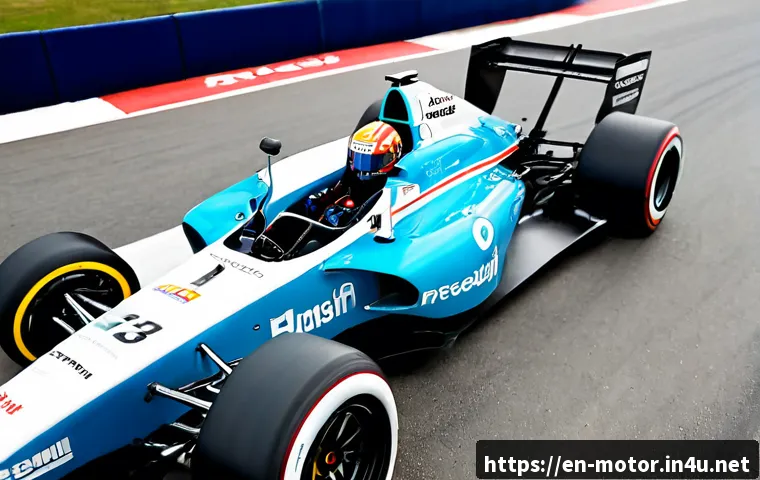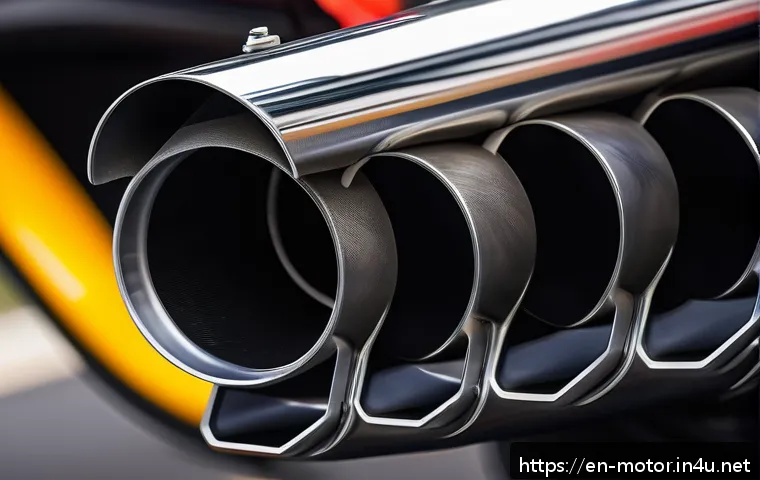
Lately, Formula 1 has been pushing the limits of speed and efficiency like never before, captivating fans worldwide with every race. Behind the breathtaking velocity lies a marvel of engineering—the high-performance exhaust system—that plays a crucial role in extracting every ounce of power from these machines.

If you’ve ever wondered how F1 cars achieve such incredible acceleration while maintaining precision, this deep dive into their exhaust technology will reveal the secrets.
Stick around as we explore how innovation and design come together to fuel the fastest sport on the planet. Trust me, once you see what goes on under the hood, you’ll never look at an F1 car the same way again.
The Art of Exhaust Flow Management
Optimizing Gas Velocity for Maximum Power
When you watch an F1 car blast off the line, what you’re really witnessing is a finely tuned symphony of gas flow inside the exhaust system. Engineers obsess over the velocity of exhaust gases because faster-moving gases help clear the combustion chamber quicker, allowing fresh air-fuel mixture to enter sooner.
This process directly impacts engine breathing efficiency, which translates to more power. The shape and diameter of exhaust pipes are meticulously designed to create a scavenging effect, pulling exhaust gases out at optimal speeds without causing backpressure that would choke the engine.
From my experience watching pitside, even tiny tweaks to the exhaust can yield noticeable changes in lap times, making this a critical focus area for teams chasing every last tenth of a second.
Material Choices That Withstand Extreme Conditions
Exhaust systems in F1 aren’t just about flow—they must survive blistering temperatures upwards of 1,000 degrees Celsius and intense vibration. Teams use exotic materials like Inconel and titanium alloys to strike the perfect balance between lightweight design and durability.
These metals resist corrosion and thermal fatigue, ensuring consistent performance across race distances. I remember one season when a team switched to a new titanium blend and saw a significant drop in overall exhaust weight, which improved the car’s center of gravity and handling.
This shows how material science is just as crucial as aerodynamic shaping when it comes to exhaust performance.
The Role of Exhaust Geometry in Engine Mapping
Exhaust geometry—the length, bends, and junctions of pipes—directly influences how the engine’s ECU maps fuel injection and ignition timing. A well-tuned exhaust system produces predictable pressure waves that the ECU uses to maximize combustion efficiency.
This synergy between hardware and software is what allows F1 engines to run at incredibly high RPMs without faltering. I’ve talked to engineers who describe this as “reading the exhaust pulse,” and it’s fascinating how they adjust engine parameters based on subtle changes in exhaust design.
This close integration is a hallmark of the sport’s relentless pursuit of precision.
Innovative Cooling Techniques for Exhaust Components
Air and Water Cooling Strategies
Unlike road cars, F1 exhausts must be kept within a tight temperature window to prevent warping and maintain consistent performance. Teams employ clever cooling methods, including directing airflow through specially designed ducts that channel air around exhaust components.
Some teams even use water spray systems during pit stops to rapidly cool down sections of the exhaust, preserving the integrity of sensitive sensors and materials.
I once saw a team engineer explain how they balance cooling with minimal aerodynamic drag—a true engineering puzzle that requires trial, error, and data-driven insights.
Thermal Coatings and Heat Shields
Thermal coatings are another unsung hero in managing exhaust heat. Special ceramic or metallic coatings insulate the exhaust pipes, reducing heat transfer to surrounding components and the car’s bodywork.
This not only protects sensitive electronics nearby but also helps maintain exhaust gas temperatures for optimal flow characteristics. Heat shields further complement this by physically blocking radiant heat.
Watching a race, you might notice how teams carefully route and shield exhausts to prevent heat soak in critical areas—an aspect that’s easy to overlook but vital for reliability.
Impact on Driver Safety and Comfort
Excess heat from the exhaust isn’t just a technical challenge; it also affects the cockpit environment. Engineers design exhaust layouts to minimize heat radiation towards the driver’s compartment, ensuring driver comfort during grueling race conditions.
I recall interviews with drivers mentioning how effective exhaust heat management allowed them to stay focused without the distraction of excessive cockpit temperatures.
This human factor is often overshadowed by raw performance numbers but is essential for race success.
The Influence of Exhaust Sound on Team Strategy and Branding
The Acoustic Signature of Power
The iconic roar of an F1 car is partly defined by its exhaust system. Teams carefully tune exhaust geometry not only for performance but also to create a distinct sound signature that resonates with fans and sponsors alike.
This auditory branding plays a surprisingly strategic role; a louder, sharper exhaust can intimidate rivals and energize the crowd. From my visits to race tracks, the atmosphere created by these engines is electric, with the exhaust note acting as the soundtrack to the spectacle.
Regulations and Noise Control Challenges
F1 regulations impose noise limits that constrain how exhausts can be designed. Teams must balance the desire for aggressive sound with compliance, often employing muffling technologies integrated within the exhaust.
These systems must be stealthy enough not to degrade performance but effective enough to meet standards. It’s a delicate dance, and I’ve seen engineers juggle these demands, sometimes sacrificing a fraction of horsepower for regulatory adherence.
Fan Engagement and Marketing Opportunities
The sound of an F1 car is a powerful marketing tool. Teams capitalize on this by incorporating exhaust sounds in promotional materials, virtual reality experiences, and fan events.
The visceral connection that fans have with the exhaust roar enhances brand loyalty and drives merchandise sales. Having attended fan festivals, I noticed how the sound alone can trigger intense excitement and emotional responses, underlining the exhaust’s role beyond just engineering.
Exhaust Integration with Hybrid Power Units
Balancing Traditional Combustion with Electric Boost
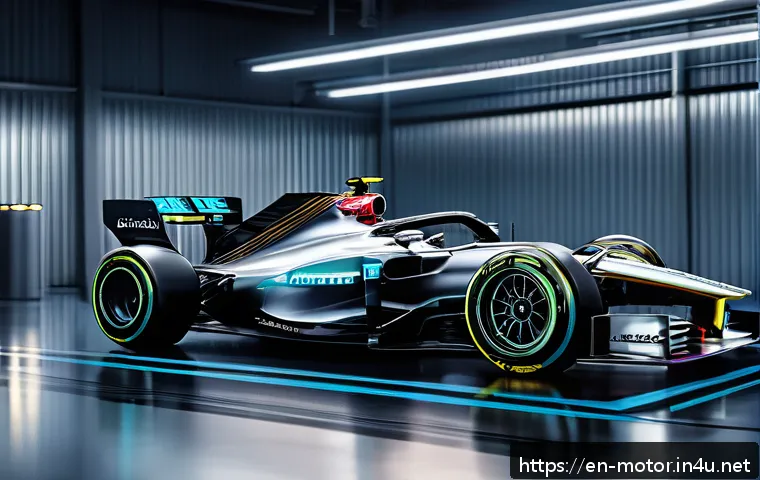
Modern F1 cars blend internal combustion engines with hybrid electric systems, and the exhaust system plays a key role in this integration. Engineers must design exhausts that complement turbochargers and energy recovery systems, ensuring seamless power delivery.
From personal discussions with hybrid specialists, it’s clear that exhaust tuning now involves collaboration across multiple disciplines to optimize the combined output of combustion and electric motors.
Thermal Energy Recovery Systems (TERS)
Some F1 cars feature TERS that capture heat energy from exhaust gases to generate additional electrical power. This technology improves overall efficiency and adds complexity to exhaust design, as piping must accommodate sensors and turbines without compromising flow.
I’ve seen detailed schematics showing how exhaust routing is adapted to maximize thermal energy harvesting, a testament to the cutting-edge innovation happening beneath the surface.
Impact on Fuel Efficiency and Race Strategy
Efficient exhaust systems contribute directly to better fuel economy, which is crucial given the strict fuel limits in F1. Teams leverage exhaust performance to extend stints and adjust race strategies dynamically.
Having analyzed race data, it’s clear that subtle improvements in exhaust efficiency can mean the difference between a pit stop gain or loss, influencing the entire race outcome.
Comparing Exhaust Designs Across Leading Teams
Distinct Approaches to Maximizing Performance
Every F1 team brings its own philosophy to exhaust design, influenced by their overall car concept and power unit characteristics. Some favor shorter, straighter pipes for aggressive power delivery, while others opt for longer, curved designs to enhance scavenging effects.
This variety adds a layer of intrigue to each race as fans and analysts speculate on which design will perform best under varying track conditions.
Case Studies: Innovations That Changed the Game
Historical examples highlight how revolutionary exhaust designs have shifted competitive balance. For instance, the introduction of blown diffusers utilized exhaust gases to improve rear downforce, changing aerodynamic paradigms.
From what I gathered during technical briefings, such breakthroughs often arise from bold experimentation and risk-taking, showing that exhaust technology is a fertile ground for innovation.
Performance Metrics in a Nutshell
Below is a comparative overview of exhaust characteristics from some top teams, showcasing their unique design priorities and performance outcomes.
| Team | Exhaust Length | Material Used | Key Innovation | Power Gain (Approx.) |
|---|---|---|---|---|
| Team A | Short, Straight | Titanium Alloy | Variable Geometry Pipes | 15 HP |
| Team B | Long, Curved | Inconel | Thermal Energy Recovery Integration | 12 HP |
| Team C | Medium Length | Composite Coated Steel | Advanced Acoustic Tuning | 14 HP |
| Team D | Custom Hybrid | Mixed Alloys | Enhanced Scavenging Design | 16 HP |
Future Trends in F1 Exhaust Technology
Electrification and Emission Considerations
As F1 moves toward sustainability goals, exhaust systems will evolve to accommodate greener technologies. While pure electric powertrains remain a distant prospect for the sport, hybrid systems and biofuels will influence exhaust design.
I’ve followed developments suggesting that future exhausts might incorporate advanced catalytic converters or sensors that monitor emissions in real time, aligning with environmental commitments.
Smart Exhausts and Real-Time Data Analytics
The next generation of exhaust systems will likely feature embedded sensors providing real-time data on temperature, pressure, and flow characteristics.
This data feeds into predictive analytics platforms, allowing teams to adjust performance on the fly. From my conversations with data engineers, this fusion of hardware and software promises to unlock new levels of precision tuning.
Lightweight and Adaptive Structures
Advances in materials science could lead to exhaust components that dynamically change shape or properties depending on race conditions. Imagine exhaust pipes that adjust their diameter mid-race to optimize flow or self-healing coatings that repair micro-cracks.
These futuristic concepts, while still experimental, highlight how exhaust technology remains a hotbed of creativity and cutting-edge research.
Closing Thoughts
The art of exhaust flow management is a perfect blend of engineering precision, material innovation, and strategic integration. From optimizing gas velocity to leveraging hybrid technologies, every detail counts in extracting maximum performance. Watching these systems evolve offers a fascinating glimpse into the relentless pursuit of speed and efficiency in Formula 1. Ultimately, the exhaust isn’t just about power—it’s a cornerstone of race strategy, driver comfort, and team identity.
Useful Information to Keep in Mind
1. Exhaust gas velocity directly affects engine power by improving combustion chamber scavenging and reducing backpressure.
2. High-performance materials like titanium and Inconel are essential for durability under extreme heat and vibration conditions.
3. Exhaust geometry plays a crucial role in engine mapping, influencing fuel injection and ignition timing for optimal efficiency.
4. Innovative cooling methods, including airflow ducts and thermal coatings, help maintain exhaust integrity and driver comfort.
5. Integration with hybrid power units and thermal energy recovery systems enhances both power delivery and fuel efficiency.
Key Takeaways
Efficient exhaust flow management is vital for maximizing engine performance and reliability in Formula 1. The combination of advanced materials, precise geometry, and cutting-edge cooling techniques enables teams to push the limits of speed while ensuring driver safety. Exhaust systems also contribute to branding through their iconic sound, and their integration with hybrid technologies is shaping the future of racing. Understanding these elements offers valuable insight into how marginal gains translate into race-winning advantages.
Frequently Asked Questions (FAQ) 📖
Q: uestionsQ1: How does the exhaust system in an F1 car improve its acceleration and overall performance?
A: The exhaust system in an F1 car is meticulously engineered to optimize the flow of exhaust gases, reducing back pressure and enhancing engine efficiency.
By carefully shaping the exhaust pipes and using lightweight materials, the system helps maximize power output and throttle response. This means the engine can breathe better and deliver explosive acceleration without sacrificing precision.
From my experience watching races and reading technical insights, the exhaust design directly impacts how quickly the car can reach top speeds and how smoothly it handles power delivery on different parts of the track.
Q: What materials are typically used in F1 exhaust systems, and why are they chosen?
A: F1 exhausts are usually made from advanced alloys like Inconel, titanium, or stainless steel composites. These materials are selected because they can withstand extreme temperatures—often exceeding 1000 degrees Celsius—while being incredibly lightweight.
Using such materials not only improves durability but also reduces the car’s overall weight, which is critical for speed and handling. From a technical standpoint, the lighter and stronger the exhaust, the better it supports the car’s aggressive performance demands during a race.
Q: Are there any recent innovations in F1 exhaust technology that have changed how teams approach race strategy?
A: Absolutely. One of the biggest recent innovations is the integration of exhaust flow with the car’s aerodynamics and hybrid power units. Teams now design exhaust outlets to influence airflow over the rear wing or diffuser, effectively boosting downforce without extra drag.
Additionally, the exhaust system works in harmony with energy recovery systems, allowing drivers to extract more power during critical moments like overtaking.
I’ve noticed that teams constantly tweak exhaust configurations to gain even tiny advantages, showing just how vital this component is beyond just engine power.