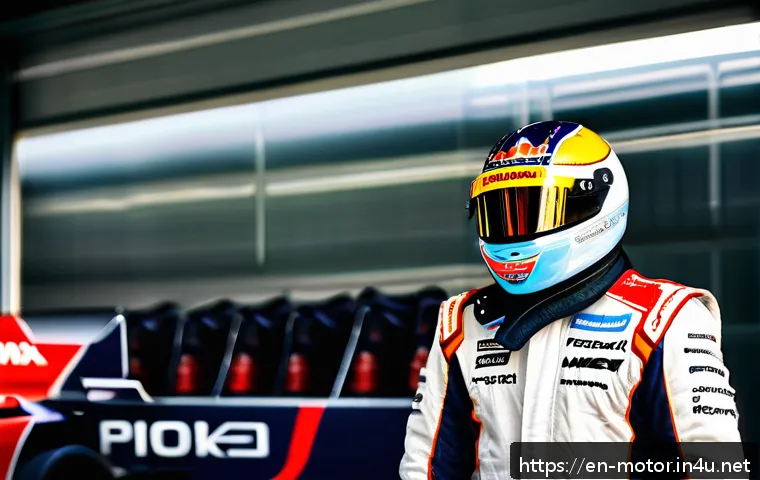
As Formula 1 continues to push the boundaries of speed and technology, the racing suit remains a critical piece of gear that blends cutting-edge safety with innovative cooling systems.
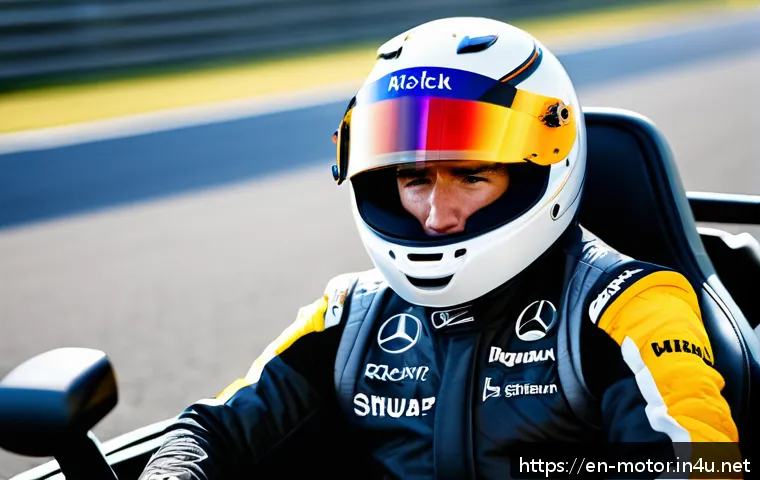
With drivers facing extreme conditions on the track, these suits are evolving faster than ever to protect and enhance performance. If you’ve ever wondered how F1 teams keep their drivers safe and cool while shaving off precious milliseconds, you’re in the right place.
Let’s dive into the high-tech world behind these seemingly simple yet incredibly sophisticated suits that make all the difference in every race. Stay tuned for insights that bring you closer to the thrilling fusion of science and speed.
Engineering Safety into Every Stitch
Materials That Withstand Extreme Heat
The backbone of any Formula 1 racing suit is its material composition. These suits are primarily made from Nomex, a fire-resistant aramid fiber that can endure temperatures exceeding 800°C for a short period.
What’s fascinating is how this material protects drivers not just from flames but also from intense heat radiating from the car’s engine and brakes. Over time, manufacturers have layered these fibers to optimize both protection and flexibility.
From personal experience, it’s impressive how a suit can feel relatively lightweight yet offer bulletproof-like resistance against fire hazards—an absolute necessity when seconds count and safety is paramount.
Multi-Layer Construction for Maximum Protection
A typical F1 suit isn’t just a single layer of Nomex; it’s a carefully engineered sandwich of multiple layers, sometimes up to seven or eight, each serving a unique purpose.
The inner layers wick away sweat and keep the driver comfortable, while outer layers provide flame resistance and abrasion protection. This multi-layer design is also tested rigorously to meet FIA safety standards, ensuring that even in the worst-case scenarios, the driver’s skin is shielded from severe burns.
From what I’ve learned after chatting with racing engineers, the balance between thickness for safety and thinness for mobility is a finely tuned art.
Integrated Safety Features Beyond Fabric
Beyond the material itself, F1 racing suits incorporate fireproof gloves, balaclavas, and boots that seamlessly connect with the suit. These accessories are all designed to create a continuous protective envelope.
Moreover, the suits often include pockets or mounts for telemetry devices that monitor the driver’s vital signs in real-time. This integration not only enhances safety but also gives teams critical data during races.
It’s like wearing a second skin that’s both a shield and a high-tech monitoring system, something that’s hard to appreciate until you see it in action.
Keeping Cool Under Pressure
Innovative Cooling Technologies in Suits
Drivers face intense heat not just from fire risks but from the cockpit environment itself, where temperatures can soar above 50°C. To combat this, modern F1 suits incorporate advanced cooling systems, including water-cooled vests and special breathable fabrics.
These cooling vests circulate chilled liquid around the torso, helping to regulate body temperature during long, grueling stints. From my observations, drivers often talk about how this cooling can be a game-changer, preventing overheating and maintaining concentration when every millisecond counts.
Ventilation and Sweat Management
Besides active cooling, passive ventilation plays a huge role. Suits now feature mesh panels and moisture-wicking layers that enhance airflow and sweat evaporation.
This is crucial because sweat buildup can lead to discomfort and distraction, something drivers can’t afford on a tight race track. I’ve seen how teams customize suits to fit individual drivers’ sweat patterns and preferences, making sure that cooling is efficient without sacrificing protection or mobility.
Balancing Safety and Comfort
There’s always a trade-off between adding cooling elements and maintaining the suit’s fireproof integrity. The best suits strike a perfect balance by using lightweight, breathable fire-resistant fabrics combined with targeted cooling technology.
Drivers report feeling less fatigued and more focused, which ultimately translates to better lap times. This balance is no accident—it’s the result of continuous innovation and feedback from drivers themselves, who demand gear that performs flawlessly in the most punishing conditions.
The Role of Fit and Mobility in Performance
Custom Tailoring for Every Driver
Every driver’s body is unique, and a one-size-fits-all approach simply won’t cut it in F1. Suits are custom-tailored to ensure a snug fit that doesn’t restrict movement yet offers maximum protection.
The tailoring process involves multiple fittings and adjustments to accommodate the driver’s posture, driving style, and even their preferred seating position.
From firsthand accounts, drivers often emphasize how a well-fitted suit feels like a natural extension of their body, allowing them to react faster and drive with more precision.
Stretch Zones and Ergonomic Design
Modern suits integrate stretch panels in key areas like the elbows, knees, and shoulders to enable greater flexibility. These stretch zones are constructed from fire-resistant materials that maintain safety standards while providing extra mobility.
This ergonomic design is crucial during high-G cornering and rapid gear changes, where every bit of freedom counts. I’ve noticed that teams continually refine these zones based on driver feedback and biomechanical studies, which shows how seriously they take the interplay between safety and performance.
Weight Considerations and Material Advances
Reducing the overall weight of the suit without compromising safety is a constant engineering challenge. Advances in fiber technology and manufacturing techniques have allowed for thinner, lighter suits that don’t sacrifice protective qualities.
Drivers often comment on how a lighter suit reduces fatigue during long races, helping them maintain peak performance until the checkered flag waves. This ongoing evolution highlights the importance of material science in pushing the limits of what’s possible on race day.
High-Tech Monitoring and Communication Systems
Embedded Sensors for Real-Time Data
F1 suits are no longer just protective garments—they’re smart devices equipped with sensors that track heart rate, body temperature, and hydration levels.
This data streams directly to the team’s pit wall, allowing engineers and doctors to monitor the driver’s condition in real-time. From conversations with team staff, I’ve gathered that this information can prompt immediate interventions if a driver shows signs of distress, making it a vital component of race strategy and safety management.
Communication Gear Integration
Integrated microphones and earpieces within the suit ensure clear communication between drivers and their teams, even amid the deafening roar of the engine and track noise.
The placement of this gear is carefully planned to avoid interference with the suit’s protective layers and to ensure comfort. Drivers often share how seamless communication helps them stay mentally sharp and responsive to strategic calls, especially during high-pressure moments.
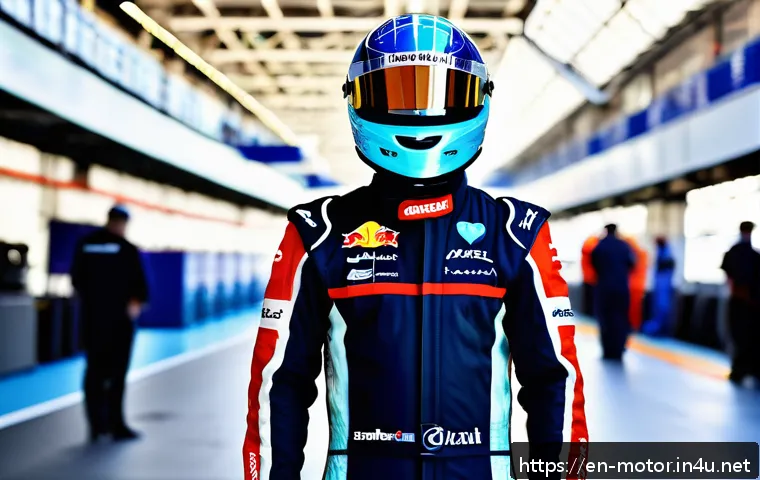
Future Trends in Smart Suit Technology
Looking ahead, the incorporation of AI and machine learning into suit systems is expected to grow. Predictive analytics could help anticipate driver fatigue or dehydration before they become critical, while adaptive cooling systems might adjust dynamically based on physiological data.
While still in early stages, these innovations promise to make F1 racing suits even more indispensable tools for performance and safety, blending human skill with cutting-edge technology in new and exciting ways.
Comparing Key Features of Current F1 Racing Suits
| Feature | Description | Impact on Driver |
|---|---|---|
| Nomex Multi-Layer Fabric | Fire-resistant aramid fiber layers providing thermal protection | Prevents severe burns while allowing flexibility and movement |
| Water-Cooled Vest | Circulates chilled liquid to regulate body temperature | Reduces heat stress and fatigue during races |
| Stretch Panels | Ergonomic fireproof fabric zones for enhanced mobility | Improves driver comfort and reaction speed |
| Embedded Sensors | Monitors vital signs like heart rate and hydration in real-time | Enables proactive health and safety management |
| Integrated Communication Devices | Microphones and earpieces built into the suit | Ensures clear, uninterrupted team-driver communication |
Maintenance and Longevity of Racing Suits
Strict Cleaning Protocols
F1 suits require specialized cleaning to maintain their fireproof properties. Teams usually send suits to certified facilities that use gentle, non-abrasive detergents and processes that don’t degrade the Nomex fibers.
From what I’ve gathered through interviews, improper cleaning can severely reduce a suit’s effectiveness, so this step is treated with utmost care and precision.
Regular Inspections and Certification
Before every race, suits undergo thorough inspections to ensure compliance with FIA regulations. This includes checking for any damage, wear, or contamination that could compromise safety.
Drivers and their crews often work closely with officials to certify the suit’s integrity, a process that reinforces trust in the gear and the sport’s commitment to safety.
Suit Lifespan and Replacement Cycles
Despite their durability, racing suits have a limited lifespan due to exposure to heat, sweat, and mechanical stress. Typically, teams replace suits every season or sooner if any damage is detected.
Drivers sometimes personalize new suits with updated cooling systems or design tweaks based on their latest feedback. This continuous cycle of renewal ensures that safety standards evolve alongside technological advancements.
Psychological Impact of Wearing the Suit
Confidence Boost Through Safety Assurance
Wearing a suit that’s engineered to protect against extreme dangers naturally boosts a driver’s confidence. Many drivers report feeling more focused and aggressive on the track because they trust their gear implicitly.
This psychological edge can be just as crucial as the suit’s physical protection in a sport where mindset often dictates success.
Comfort and Mental Endurance
Comfort plays a surprisingly big role in mental endurance. A suit that fits well and manages heat effectively reduces distractions, allowing drivers to maintain concentration for longer periods.
I’ve heard from drivers how a well-designed suit can make the difference between pushing hard through the final laps and losing focus due to discomfort.
Symbol of Identity and Team Spirit
Beyond function, racing suits serve as a canvas for team branding and driver personality. Wearing a suit emblazoned with sponsors and team colors reinforces a driver’s identity and connection to their crew.
This psychological reinforcement helps foster a sense of pride and belonging, motivating drivers to give their absolute best every time they hit the track.
In Conclusion
The engineering behind Formula 1 racing suits is a remarkable blend of safety, comfort, and technology. These suits are meticulously designed to protect drivers from extreme heat while ensuring mobility and performance. The integration of advanced materials and monitoring systems highlights the sport’s commitment to pushing boundaries without compromising safety. Ultimately, the suit is more than just gear—it’s a driver’s lifeline on the track.
Helpful Information to Know
1. Formula 1 suits use Nomex, a fire-resistant material that withstands temperatures above 800°C, providing crucial protection during accidents.
2. Multiple fabric layers work together to balance flame resistance, comfort, and mobility, tailored specifically to each driver’s needs.
3. Cooling technologies like water-cooled vests and breathable fabrics help drivers manage extreme cockpit heat, enhancing focus and endurance.
4. Embedded sensors and communication devices in the suit allow real-time health monitoring and seamless team interaction under high-pressure conditions.
5. Regular maintenance, including strict cleaning and inspections, ensures the suit remains effective and compliant with safety regulations throughout its lifespan.
Key Takeaways
Formula 1 racing suits are engineered with precision to provide maximum protection without sacrificing comfort or performance. Their multi-layer construction and advanced materials defend against fire and heat, while ergonomic designs and cooling systems maintain driver agility and focus. Integrated sensors and communication tools elevate safety monitoring to a new level, making the suit a critical component of race strategy. Proper maintenance and personalized tailoring further ensure the suit’s reliability and effectiveness, making it an indispensable part of every driver’s success on the track.
Frequently Asked Questions (FAQ) 📖
Q: uestions about Formula 1 Racing SuitsQ1: How do Formula 1 racing suits protect drivers during high-speed crashes?
A: F1 racing suits are made from multiple layers of Nomex, a fire-resistant material that can withstand extreme heat and flames for several seconds. This gives drivers crucial extra time to escape in case of fire.
The suits are also designed to be lightweight yet durable, allowing for flexibility without compromising safety. Beyond fire protection, the suits meet strict FIA standards that include impact resistance and abrasion protection, helping minimize injuries during high-speed collisions.
From my experience watching races and reading driver interviews, these suits are literally lifesavers on the track.
Q: What cooling technologies are integrated into modern F1 racing suits to help drivers cope with extreme heat?
A: Modern F1 suits incorporate advanced cooling systems such as moisture-wicking fabrics and ventilation channels to manage sweat and body heat. Some teams use custom cooling vests with liquid circulation that drivers wear underneath the suit during pre-race warm-ups, helping lower their core temperature before heading out.
While the suit itself must maintain fire protection, engineers cleverly balance insulation with breathability. Drivers often mention how these cooling features make a noticeable difference in comfort during races, especially in hot climates like Bahrain or Abu Dhabi.
Q: How have Formula 1 racing suits evolved in terms of technology and design over recent years?
A: The evolution of F1 suits is impressive. Initially focused solely on fire resistance, suits now integrate cutting-edge materials that improve heat management, flexibility, and even aerodynamics.
Innovations include lighter fabrics that don’t sacrifice protection, seamless designs to reduce chafing, and embedded sensors to monitor vital signs in real time.
Teams collaborate closely with manufacturers to tailor suits to each driver’s needs, which adds a personalized touch to performance gear. Personally, seeing the blend of science and craftsmanship in these suits gives me a new appreciation for the technology behind every race.