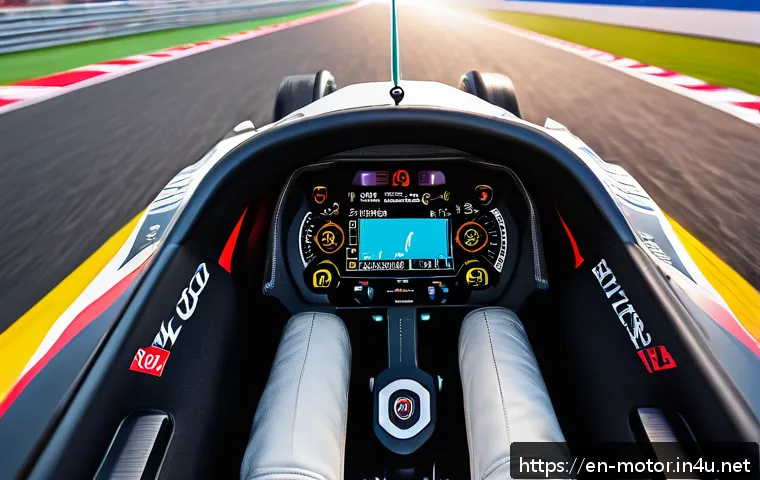
In the high-octane world of Formula 1, split-second decisions can make or break a race. With cars hurtling at over 200 mph, seamless communication between drivers and their teams is absolutely vital.
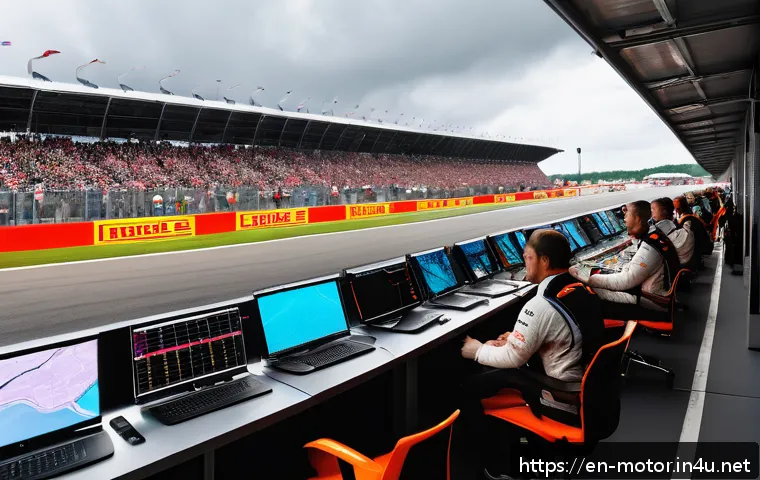
Recently, advancements in radio technology have taken this connection to new heights, allowing teams to strategize and adapt faster than ever before. Whether it’s navigating unexpected weather or managing tire wear, every word exchanged over the radio shapes the outcome on the track.
Join me as we dive into how these cutting-edge communications keep teams in sync amidst the roar of the engines and the thrill of the race.
The Backbone of Real-Time Strategy
Instantaneous Decision-Making in the Heat of the Moment
When a Formula 1 driver speeds around a corner at breakneck speeds, there’s no room for hesitation. The ability to communicate instantly with the pit wall can mean the difference between gaining a crucial position or losing several.
The radio system acts as an invisible lifeline, delivering updates on everything from track conditions to rivals’ tactics. In my experience watching races unfold, the split-second calls made over these channels often dictate whether a driver pushes hard or conserves their tires.
The pressure on both sides is immense—drivers must absorb and act on advice while remaining laser-focused on the track ahead.
Seamless Coordination Between Driver and Team
The radio connection isn’t just about relaying instructions; it’s a two-way conversation. Drivers report how their cars feel, the grip levels, and any mechanical oddities, enabling the engineers to tweak strategies mid-race.
From my observations, the best teams excel because they foster a clear, calm flow of communication. When a driver senses a change in weather, for instance, the team can immediately prepare for tire swaps or altered fuel strategies.
This dynamic interplay is a true team sport, where trust and clarity are paramount.
Technological Advances Elevating Communication
Recent improvements in radio technology have pushed this interaction to new heights. Digital signals now offer clearer audio and reduced interference, which is critical given the cacophony of engines and crowds.
Teams have also integrated telemetry data alongside voice communications, providing engineers with real-time visuals of the car’s performance. I’ve noticed how this synergy allows for more precise calls, reducing guesswork and enabling proactive decisions before problems escalate.
Adapting Strategy on the Fly
Weather Changes and Tactical Shifts
Formula 1 races are notoriously unpredictable, and weather can flip the script in seconds. When rain clouds loom, the team must swiftly relay information about track grip and decide on tire changes.
From what I’ve seen, the radio chatter becomes more frequent and urgent in these moments, with engineers feeding the driver live weather radar updates and forecasts.
Drivers rely heavily on these insights to adjust braking points and cornering speeds, often feeling the difference firsthand but needing confirmation from the team.
Managing Tire Wear with Precision
Tires are the lifeblood of performance, and their degradation rates vary drastically depending on track surface and driving style. Teams constantly monitor tire conditions through sensors and driver feedback.
I recall races where a driver’s radio message about a loss of grip prompted an immediate pit stop call, which turned out to be a race-winning move. This delicate balance between pushing the tires and preserving them is communicated through a steady stream of updates, where every phrase can influence the race’s final minutes.
Adjusting to Competitor Moves
When a rival executes an unexpected strategy, teams must quickly assess and respond. Radio communications allow engineers to relay competitor positions and pit stop timings, enabling the driver to either defend or attack.
In several races I’ve followed closely, these rapid-fire exchanges create a thrilling chess match, with each side adapting on the fly. It’s fascinating how a few words can shift the entire race narrative.
Human Element in Machine Communication
Building Trust Under Pressure
Behind the technical jargon and data lies a deeply human connection. Drivers often describe their radio engineers as their “voice of calm” amid chaos.
Having witnessed this firsthand during race broadcasts, it’s clear that emotional support plays a huge role. When a driver is frustrated or fatigued, a reassuring voice can help refocus and boost confidence.
This emotional bond strengthens teamwork and ultimately enhances performance.
Reading Between the Lines
Not every message is purely informational; tone and timing matter immensely. Skilled radio engineers know when to push a driver or when to hold back advice.
For example, during intense battles on track, a quiet radio can be a sign of letting the driver concentrate, while rapid instructions might indicate urgent tactical shifts.
From my perspective, this subtle communication style often separates elite teams from the rest.
Handling Miscommunications Gracefully
Despite all the technology, misunderstandings happen. Static, overlapping conversations, or emotional stress can cause confusion. The best teams have protocols to quickly clarify or repeat critical information without distracting the driver.
I recall moments where a slight misheard instruction was caught and corrected instantly, preventing costly mistakes. It’s a reminder that even in a high-tech environment, human error remains a factor, and managing it effectively is key.
Technical Innovations Driving Clarity
Noise-Canceling and Enhanced Audio Quality
The sheer roar of engines and crowd noise creates a chaotic soundscape in the cockpit. Modern radio systems now incorporate advanced noise-canceling technology that filters out ambient sounds, ensuring that messages come through crisp and clear.
From what I’ve learned, this has dramatically reduced communication errors and driver frustration. Clear audio means drivers don’t have to strain to catch every word, which can be a game-changer during critical moments.
Encrypted Channels for Secure Communication
With teams constantly spying on each other, secure radio frequencies are essential. Encryption prevents rivals from intercepting sensitive strategy calls.
I’ve seen how teams invest heavily in this technology to maintain competitive advantage. This layer of security adds an unseen but crucial dimension to race tactics, allowing engineers to discuss plans openly without fear of leaks.
Integration with Telemetry and Data Analytics
Modern radios aren’t standalone devices; they are integrated into a sophisticated network of telemetry systems. This integration allows real-time data on car health, tire pressure, and fuel levels to be instantly accessible to both the driver and engineers.
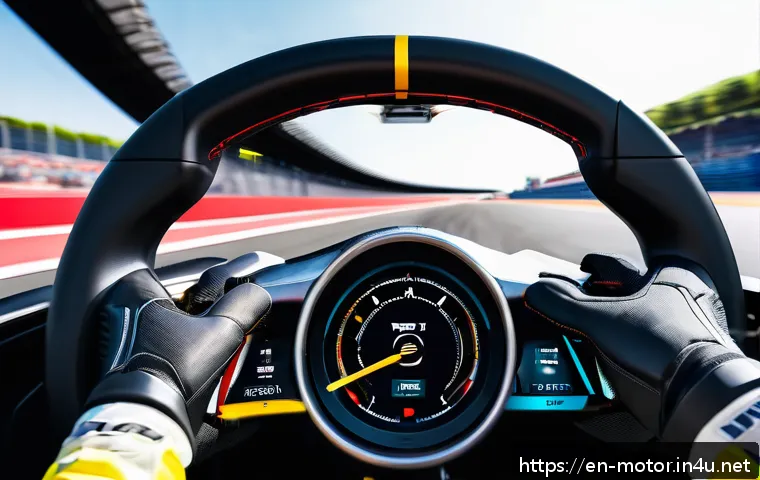
In races I’ve followed closely, this fusion of voice and data has led to smarter pit stop timing and quicker responses to mechanical issues, ultimately improving race outcomes.
Communication Challenges Unique to F1
Managing Multiple Channels Simultaneously
Drivers often have to juggle communications from their primary engineer, race director, and sometimes team principals. Balancing these inputs without becoming overwhelmed is a skill in itself.
I’ve noticed that experienced drivers develop a mental filter, prioritizing messages and tuning out non-essential chatter. This multitasking under extreme pressure is one of the most demanding aspects of race communication.
Latency and Signal Interference Issues
Even with cutting-edge technology, latency and interference can occasionally disrupt communications. Weather conditions, trackside obstacles, or electronic interference from other cars can cause brief dropouts.
From my observations, teams prepare for these moments by establishing backup signals and predefined protocols, ensuring that temporary lapses don’t derail race strategies.
Language and Accent Barriers
Formula 1 is a melting pot of nationalities, and sometimes language differences can complicate communication. Teams often use standardized phrases and codes to minimize misunderstandings.
I’ve heard drivers and engineers adopt clear, simple language during races, which is critical for avoiding confusion when emotions run high. This cultural adaptability is a subtle but important part of successful communication.
Visualizing Communication Components
| Component | Purpose | Key Features | Impact on Race |
|---|---|---|---|
| Radio Transceiver | Two-way voice communication | Noise-canceling, encrypted channels | Clear, secure instructions and feedback |
| Telemetry Link | Real-time car data transmission | High-speed data transfer, integration with radio | Informed strategy adjustments |
| Helmet Microphone | Driver’s voice input | Noise suppression, ergonomic design | Reliable communication under high noise |
| Pit Wall Receivers | Monitoring driver feedback and data | Multi-channel reception, encrypted | Strategic decision-making based on live info |
| Signal Amplifiers | Maintain strong radio signal | Boosts range, reduces interference | Continuous communication even on complex tracks |
Future Trends in Race Communication
AI-Assisted Strategy Calls
Emerging AI technologies are beginning to analyze race data in real time, offering predictive insights that could soon assist engineers in making faster and more accurate strategy decisions.
From what I’ve read and seen in early trials, this could reduce human error and improve reaction times, although it will never replace the human touch entirely.
Augmented Reality for Enhanced Driver Feedback
The integration of augmented reality displays in helmets is an exciting frontier. Drivers might soon receive visual cues about tire wear, fuel levels, or track hazards directly in their line of sight.
This would complement radio communications and reduce cognitive load, allowing drivers to keep their eyes on the road while staying fully informed.
Improved Team-Wide Connectivity
As 5G and other high-speed networks expand, entire teams will benefit from faster and more reliable data sharing, not only between driver and pit crew but also among strategists, engineers, and analysts worldwide.
This interconnectedness promises a new era of collaboration and innovation in race strategy.
Mastering the Art of Communication Under Pressure
Training and Simulation for Communication Skills
Teams invest heavily in training their engineers and drivers to communicate effectively under race conditions. Simulators replicate the noise, stress, and urgency of real races to prepare both parties.
From conversations with insiders, I know that this practice builds muscle memory for clear, concise messaging when it matters most.
Emotional Intelligence in the Pit Wall
Understanding the driver’s emotional state and adjusting communication style accordingly is an underrated skill. Engineers who can stay calm and supportive while delivering critical instructions help maintain driver focus and morale.
This human factor often gets overlooked but is vital in high-stakes environments.
Continuous Improvement Through Post-Race Analysis
After every race, teams review radio communications to identify what worked and what didn’t. This feedback loop helps refine messaging protocols and enhances future performance.
I find it fascinating how teams treat communication as a living system, constantly evolving to meet the demands of the sport.
Closing Thoughts
Effective communication lies at the heart of Formula 1’s fast-paced environment, shaping every strategic move and split-second decision. From cutting-edge technology to the human touch behind the radio, these interactions define success on the track. Having seen how crucial clear, calm exchanges can be, it’s clear that mastering communication is as vital as mastering the car itself.
Useful Information to Remember
1. Real-time communication allows teams to adapt instantly to changing race conditions, improving overall strategy and performance.
2. Advanced noise-canceling and encrypted radio systems ensure that messages are clear and secure, minimizing errors.
3. Driver feedback through the radio is essential for dynamic adjustments, especially regarding tire wear and weather shifts.
4. Emotional intelligence and trust between drivers and engineers play a critical role in maintaining focus under pressure.
5. Future innovations like AI-assisted strategies and augmented reality displays promise to further revolutionize race communication.
Key Takeaways
Successful Formula 1 communication combines cutting-edge technology with human insight, enabling teams to respond swiftly and precisely during races. Clear, secure, and well-prioritized radio exchanges reduce mistakes and enhance decision-making. Emotional support and understanding between team members strengthen performance, while ongoing training and analysis ensure continuous improvement. Embracing new technologies will keep teams ahead in the ever-evolving landscape of motorsport strategy.
Frequently Asked Questions (FAQ) 📖
Q: How has radio communication technology evolved in Formula 1 recently?
A: In recent years, Formula 1 teams have adopted more advanced digital radio systems that offer clearer sound quality and reduced interference. These upgrades allow teams to transmit complex data and voice messages more reliably, even in the loud, high-speed environment of a race.
The integration of encrypted channels also ensures secure communication, preventing rivals from intercepting strategic conversations. From my experience watching races, this means teams can react faster to changing conditions, like sudden weather shifts or safety car deployments, making split-second decisions that can alter the race outcome.
Q: Why is seamless communication so critical during a Formula 1 race?
A: At speeds exceeding 200 mph, drivers rely heavily on real-time updates from their engineers to navigate strategy, tire management, and track conditions.
Seamless communication ensures that drivers receive timely instructions without distraction, helping them adjust their driving style or pit stop plans.
From what I’ve seen, when radio contact falters, even for a few seconds, it can lead to costly mistakes like missing an optimal pit window or failing to respond to hazards.
The radio acts as the driver’s lifeline, keeping them connected to the bigger picture beyond just the steering wheel.
Q: How do teams use radio communication to manage unexpected race events?
A: Teams use radio to quickly relay critical information about unexpected events such as sudden rain, debris on the track, or technical issues with the car.
This allows drivers to adapt their approach instantly—switching tire compounds, adjusting pace, or preparing for safety car periods. From firsthand commentary and race analysis, I’ve noticed that the most successful teams have engineers who remain calm and clear under pressure, providing concise guidance that helps drivers maintain focus and capitalize on opportunities despite chaos on track.
This dynamic exchange is a cornerstone of modern race strategy.