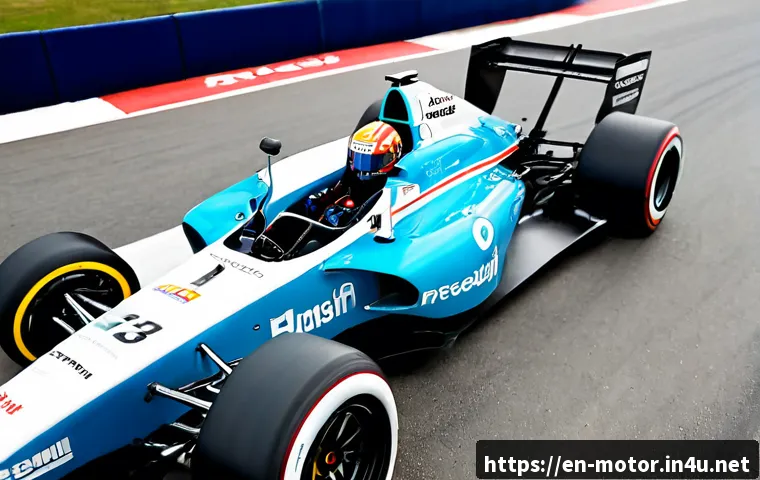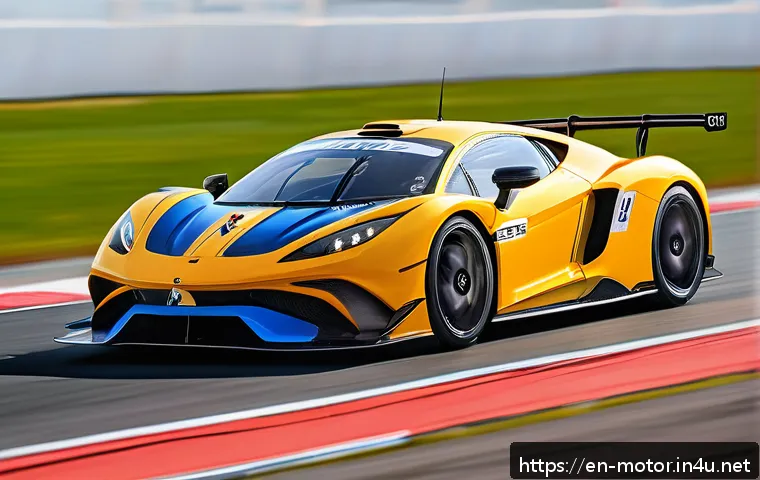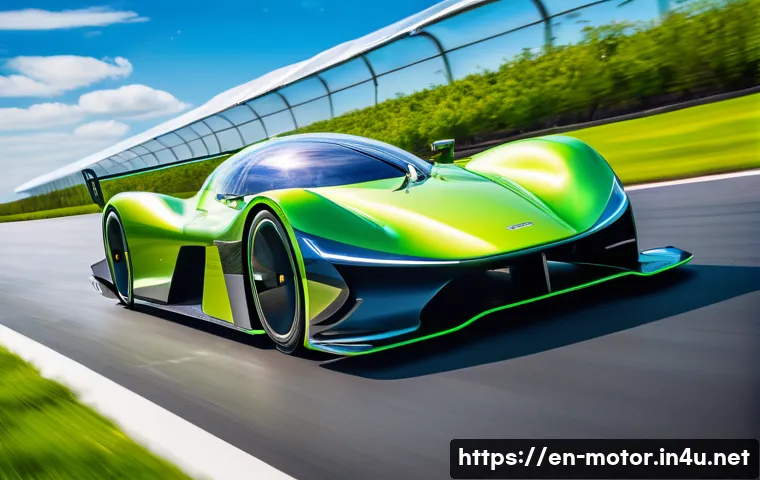
Motorsports have always been synonymous with speed, adrenaline, and cutting-edge technology, but behind the roar of engines lies an urgent need to protect the environment.
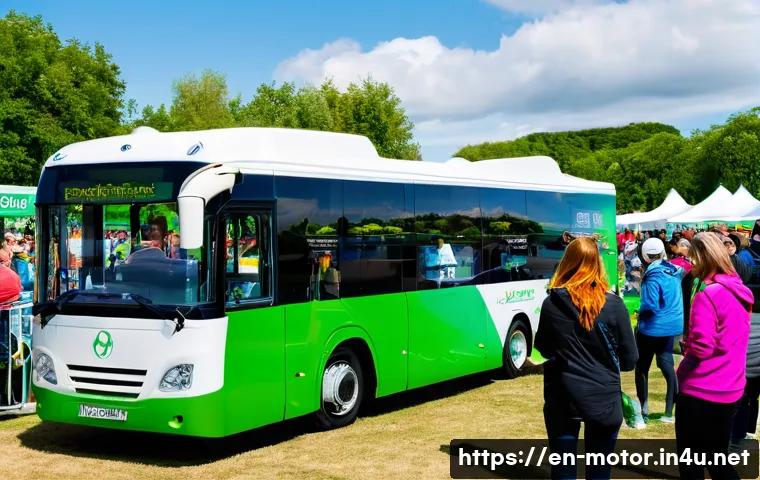
As the industry evolves, so does its responsibility to minimize ecological impact and promote sustainability. From reducing carbon emissions to preserving natural habitats around racing venues, the shift towards greener practices is gaining momentum.
Fans and participants alike are becoming more aware of how their passion can coexist with environmental stewardship. Embracing eco-friendly innovations not only ensures the sport’s future but also inspires positive change worldwide.
Let’s dive deeper and explore how motorsports are driving the movement toward a healthier planet!
Innovations Steering Motorsports Toward Sustainability
Electric and Hybrid Powertrains: The New Standard
Motorsports has witnessed a remarkable transformation with the rise of electric and hybrid vehicles taking center stage. What used to be a niche experiment is now rapidly becoming a mainstream technology in racing series worldwide.
I’ve had the chance to follow Formula E closely, and the instant torque combined with the silent yet fierce acceleration truly redefines what speed feels like.
Beyond the thrill, these technologies drastically cut down on carbon emissions compared to traditional combustion engines. Teams are investing heavily in battery improvements and energy recovery systems, which not only enhance performance but also reduce environmental footprints.
This shift isn’t just about cleaner races—it’s about pushing automotive innovation that spills over into everyday electric vehicle advancements.
Biofuels and Sustainable Fuel Alternatives
Some racing series still rely on internal combustion engines, but the fuel they burn is changing dramatically. Biofuels derived from plant-based sources or waste materials are increasingly being adopted as eco-friendlier alternatives to fossil fuels.
I remember reading about a major endurance race where teams used 100% sustainable fuels, cutting greenhouse gas emissions by up to 70%. It’s fascinating to see how these fuels can maintain high performance levels without the usual environmental cost.
This move helps preserve the sport’s traditional engine sounds and sensations while aligning with global climate goals. Plus, these fuels often support local agriculture and waste management initiatives, creating a positive ripple effect beyond the racetrack.
Energy Recovery and Efficiency Technologies
Race teams are now prioritizing energy efficiency like never before. Technologies such as regenerative braking, which recycles energy normally lost during deceleration, have become integral.
This not only extends the battery life in electric vehicles but also improves fuel economy in hybrids. From my experience watching races, the strategic use of energy recovery adds an exciting layer of complexity and skill.
Drivers must balance outright speed with smart energy management, which ultimately leads to less environmental impact. These innovations trickle down to consumer cars, making everyday driving greener thanks to motorsports’ relentless push for efficiency.
Eco-Friendly Infrastructure and Venue Management
Green Building Standards at Racing Circuits
Modern racetracks are no longer just about asphalt and grandstands—they’re becoming models of sustainable architecture. New venues incorporate solar panels, rainwater harvesting, and natural ventilation systems to reduce energy consumption.
I recently visited a circuit where the paddock area was powered almost entirely by renewable energy. Not only does this lower operational costs, but it also sets a strong example for fans and the wider community.
These venues often integrate native landscaping to support local wildlife, creating a balance between sport and nature. It’s impressive how the design of a track can reflect a commitment to environmental care without compromising the fan experience.
Waste Reduction and Recycling Initiatives
Managing waste at large motorsport events is a huge challenge, but many organizers are stepping up. From banning single-use plastics to offering extensive recycling bins around the venue, the goal is to minimize landfill contributions.
I attended a race where compostable cups and plates were the norm, and volunteers actively educated spectators on sorting their waste. These efforts not only reduce pollution but also raise awareness among thousands of fans who might not otherwise think about their environmental impact.
The shift toward a circular economy mindset in motorsports is gaining traction, proving that even adrenaline-fueled events can be mindful of their ecological footprint.
Noise Pollution Control Measures
While the roar of engines is part of motorsport’s identity, excessive noise can harm surrounding communities and wildlife. To address this, circuits are implementing sound barriers, curfews, and decibel limits without sacrificing the excitement of racing.
I’ve noticed some electric racing series naturally produce much less noise, making races more accessible to nearby residents and reducing stress on animals.
These noise control strategies are vital for maintaining good relationships with local communities and ensuring the sport’s sustainability in populated areas.
Community Engagement and Environmental Advocacy
Fan Education and Awareness Campaigns
Motorsport organizations are increasingly using their platform to spread environmental messages. Interactive fan zones, social media campaigns, and race-day announcements educate spectators on sustainability topics.
I recall a major event where fans could participate in tree planting initiatives and carbon offset programs directly linked to the race. These hands-on experiences create a lasting connection between the sport and environmental responsibility.
When fans see their passion aligned with a positive cause, it fosters a deeper sense of involvement and encourages lifestyle changes beyond the racetrack.
Partnerships with Environmental Organizations
Collaborations between racing bodies and environmental NGOs have grown stronger in recent years. These partnerships help develop credible sustainability programs and amplify their impact.
I’ve followed how some series work closely with conservation groups to protect natural habitats near circuits or promote clean energy solutions. This joint effort brings expertise and resources that individual teams or organizers might lack.
It also boosts the sport’s image as a proactive contributor to global environmental goals, which resonates well with sponsors and younger audiences alike.
Empowering Drivers as Sustainability Ambassadors
Drivers play a huge role in shaping public perception, and many are stepping up as vocal advocates for green practices. From adopting eco-friendly transportation off the track to promoting environmental causes on their platforms, their influence is powerful.
I’ve seen interviews where drivers candidly share their concerns about climate change and encourage fans to make sustainable choices. This personal connection helps humanize the movement and makes sustainability feel accessible rather than abstract.
When your racing heroes lead by example, it motivates the entire fanbase to follow suit.
Advancements in Sustainable Materials and Manufacturing
Lightweight Composites and Recycled Components
One of the lesser-known but critical areas of sustainability in motorsports is the materials used in car construction. Teams are exploring lightweight composites made from recycled carbon fiber and bio-based resins, reducing both weight and environmental impact.
I’ve spoken with engineers who explained how these materials maintain strength and durability while shrinking carbon footprints during production. This innovation not only improves vehicle efficiency on the track but also pushes the automotive industry toward greener manufacturing methods.
The excitement lies in how these advanced materials blend performance with sustainability seamlessly.
3D Printing for Reduced Waste
Additive manufacturing, or 3D printing, is revolutionizing how parts are produced in motorsports. By creating components layer by layer, teams minimize scrap material and speed up development cycles.
I had the chance to visit a factory where 3D-printed parts replaced traditionally machined ones, leading to significant waste reduction and energy savings.
This technology also allows rapid prototyping, which helps teams iterate designs more sustainably. The use of 3D printing demonstrates how cutting-edge innovation can align with environmental stewardship, making the sport more agile and eco-conscious.
Eco-Friendly Paints and Finishes
Even the finishing touches on race cars are evolving toward greener options. Traditional paints and solvents often contain volatile organic compounds (VOCs) harmful to the environment and human health.
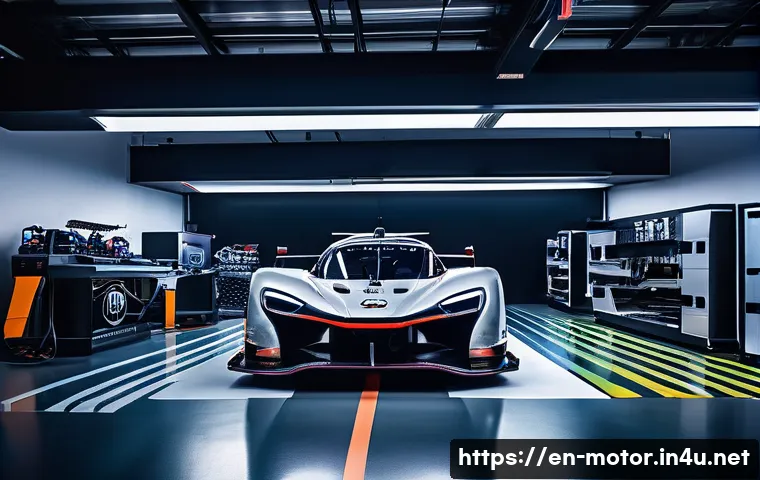
Recently, low-VOC and water-based paints have gained popularity in motorsports. I noticed in a recent race that several teams proudly showcased eco-friendly liveries without compromising the vibrant colors fans love.
These alternatives reduce toxic emissions during application and curing, contributing to cleaner air quality at garages and workshops. It’s a subtle but important step in the overall sustainability journey.
Measuring Impact and Setting Future Goals
Carbon Footprint Tracking and Reduction Targets
Many racing organizations now rigorously track their carbon emissions, covering everything from travel logistics to energy consumption at events. I’ve seen detailed reports published by major series outlining yearly progress and ambitious targets for carbon neutrality.
This transparency builds trust among fans and stakeholders, showing that sustainability efforts are serious and measurable. Teams are encouraged to adopt greener travel methods, optimize logistics, and invest in offsets.
Having clear goals pushes continuous improvement and innovation, ensuring that motorsports evolve responsibly.
Data-Driven Sustainability Strategies
Advanced data analytics play a crucial role in identifying where emissions can be cut most effectively. Telemetry and sensor data from race cars help optimize fuel use and energy recovery, while operational data from venues inform waste management and energy efficiency improvements.
I’ve spoken with sustainability officers who rely on this data to craft precise strategies rather than broad-brush initiatives. This evidence-based approach maximizes impact and resource allocation, turning sustainability from a buzzword into actionable results.
Global Collaboration for a Greener Future
Motorsports is a global phenomenon, and sustainability efforts benefit greatly from international cooperation. Different series and governing bodies share best practices, jointly develop regulations, and co-host eco-friendly events.
I’ve noticed how this collaborative spirit accelerates progress, as lessons learned in one region inspire innovations worldwide. With the collective push toward greener racing, the entire ecosystem becomes stronger and more resilient, setting a powerful example for other industries to follow.
| Aspect | Traditional Motorsports | Eco-Friendly Innovations |
|---|---|---|
| Powertrain | Gasoline/Diesel Engines | Electric, Hybrid, Biofuel Engines |
| Fuel Emissions | High CO2 and Pollutants | Significantly Reduced CO2, Cleaner Combustion |
| Materials | Conventional Metals and Plastics | Recycled Carbon Fiber, Bio-based Composites |
| Energy Use | Non-renewable Energy | Renewable Energy, Regenerative Systems |
| Waste Management | Limited Recycling, Single-use Plastics | Composting, Extensive Recycling Programs |
| Noise Impact | High Noise Levels | Sound Barriers, Electric Vehicles with Low Noise |
| Community Engagement | Minimal Environmental Focus | Fan Education, NGO Partnerships, Driver Advocacy |
Regulatory Push and Industry Standards
Mandatory Sustainability Criteria in Racing Licenses
Regulatory bodies are beginning to incorporate sustainability into licensing requirements for teams and drivers. This means compliance with environmental standards is no longer optional but a core part of participation.
I’ve read about series where teams must demonstrate carbon reduction plans and waste management policies to race. This formalizes eco-conscious behavior and drives the whole paddock to prioritize green initiatives.
It’s an essential step in embedding sustainability into the sport’s DNA.
Standardizing Sustainable Practices Across Series
Efforts are underway to harmonize sustainability standards across different motorsport disciplines. This avoids confusion and ensures consistent environmental commitments.
For example, standardized reporting protocols for emissions and waste are becoming common. I noticed this helps sponsors and partners evaluate impact more transparently and encourages cross-series collaboration.
Uniform standards also make it easier for fans to understand and support sustainability efforts, fostering a unified movement.
Incentivizing Green Innovations through Regulations
Some governing bodies are introducing incentives like reduced entry fees or technical concessions for teams adopting cutting-edge green technologies. This stimulates investment in eco-friendly innovations that might otherwise be too costly or risky.
From what I’ve gathered, these incentives create a competitive advantage for sustainable teams, accelerating the shift across the grid. Such regulatory nudges align performance goals with environmental responsibility, making the race for sustainability as thrilling as the race on track.
Fan Experience and Sustainability Integration
Eco-Conscious Merchandise and Memorabilia
Merchandise is a big part of fan culture, and the shift toward sustainable products is gaining momentum. I’ve noticed race shops offering apparel made from organic cotton, recycled fabrics, and biodegradable packaging.
Even collectible items are being reimagined with sustainability in mind, reducing plastic use and waste. This creates a connection between fans’ passion and their environmental values, making every purchase a statement of support for greener motorsports.
Transport Solutions for Eco-Friendly Attendance
Getting to the race is often the biggest contributor to a fan’s carbon footprint. Many events now encourage carpooling, shuttle buses powered by clean energy, and bike-friendly access.
I once attended a race where the organizers offered discounted tickets for fans who arrived via public transport or electric vehicles. This not only reduces traffic congestion but also creates a more relaxed, community-driven atmosphere.
It’s a win-win that enhances the fan experience while cutting emissions.
Digital Engagement Reducing Environmental Impact
Digital platforms are transforming how fans interact with motorsports, offering immersive experiences that reduce the need for travel. Live streaming, virtual reality, and interactive apps allow fans to connect with races from anywhere, lowering environmental costs associated with physical attendance.
I’ve personally enjoyed watching races with integrated sustainability content that educates while entertaining. This blend of technology and green messaging helps broaden the sport’s reach and impact without compromising excitement.
In Conclusion
Motorsports is undergoing an inspiring shift toward sustainability, blending high-performance racing with eco-conscious innovation. From electric powertrains to green venue designs, the sport is proving that speed and environmental responsibility can go hand in hand. This transformation not only enhances the racing experience but also influences broader automotive and environmental progress. As fans and participants embrace these changes, the future of motorsports looks both thrilling and sustainable.
Useful Insights to Keep in Mind
1. Electric and hybrid technologies are reshaping racing by delivering cleaner performance and pushing automotive innovation forward.
2. Sustainable fuels like biofuels offer an eco-friendly alternative while preserving the traditional racing spirit.
3. Energy recovery systems and efficiency improvements add strategic depth to races and help reduce environmental impact.
4. Eco-friendly infrastructure, including renewable energy and waste reduction, makes racing venues models of sustainability.
5. Community engagement, driver advocacy, and partnerships amplify the sport’s positive environmental influence beyond the track.
Key Takeaways
Motorsports is evolving through the integration of sustainable technologies, materials, and practices, driven by regulatory support and fan involvement. The sport’s commitment to reducing carbon emissions, minimizing waste, and protecting local ecosystems highlights a responsible approach to high-octane entertainment. By fostering collaboration and transparency, motorsports is setting ambitious goals that inspire innovation and ensure a greener, more inclusive future for racing worldwide.
Frequently Asked Questions (FAQ) 📖
Q: How are motorsports reducing their carbon footprint while maintaining the thrill of racing?
A: Many motorsport organizations are actively investing in hybrid and fully electric race cars, which significantly cut down carbon emissions without sacrificing speed or excitement.
For example, series like Formula E have demonstrated that electric vehicles can deliver intense competition and high-performance racing. Additionally, tracks are implementing renewable energy sources, such as solar panels, to power events and facilities.
From my experience attending races, I’ve noticed more efforts to offset carbon emissions through tree planting programs and sustainable logistics, showing a real commitment to balancing adrenaline with eco-consciousness.
Q: What steps are taken to protect natural habitats around racing venues?
A: Race organizers are increasingly collaborating with environmental experts to minimize disruption to local ecosystems. This includes careful planning of race schedules to avoid sensitive wildlife periods and restoring vegetation after events.
Some circuits have introduced wildlife corridors or buffer zones to ensure animals can safely move around the area. When I visited a few racing venues, I saw firsthand how organizers incorporated green spaces and avoided unnecessary land clearing, reflecting a growing respect for nature alongside motorsport activities.
Q: How can fans contribute to making motorsports more sustainable?
A: Fans play a crucial role by supporting eco-friendly initiatives, such as using public transportation to attend events, reducing single-use plastics at the venue, and choosing to follow electric racing series.
Many events now encourage spectators to participate in recycling programs and offer incentives for sustainable behavior. From chatting with fellow fans, it’s clear that awareness is rising, and people genuinely want to enjoy the sport without harming the planet.
Embracing these small but meaningful changes can collectively drive a greener future for motorsports.