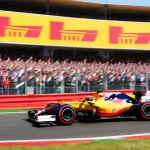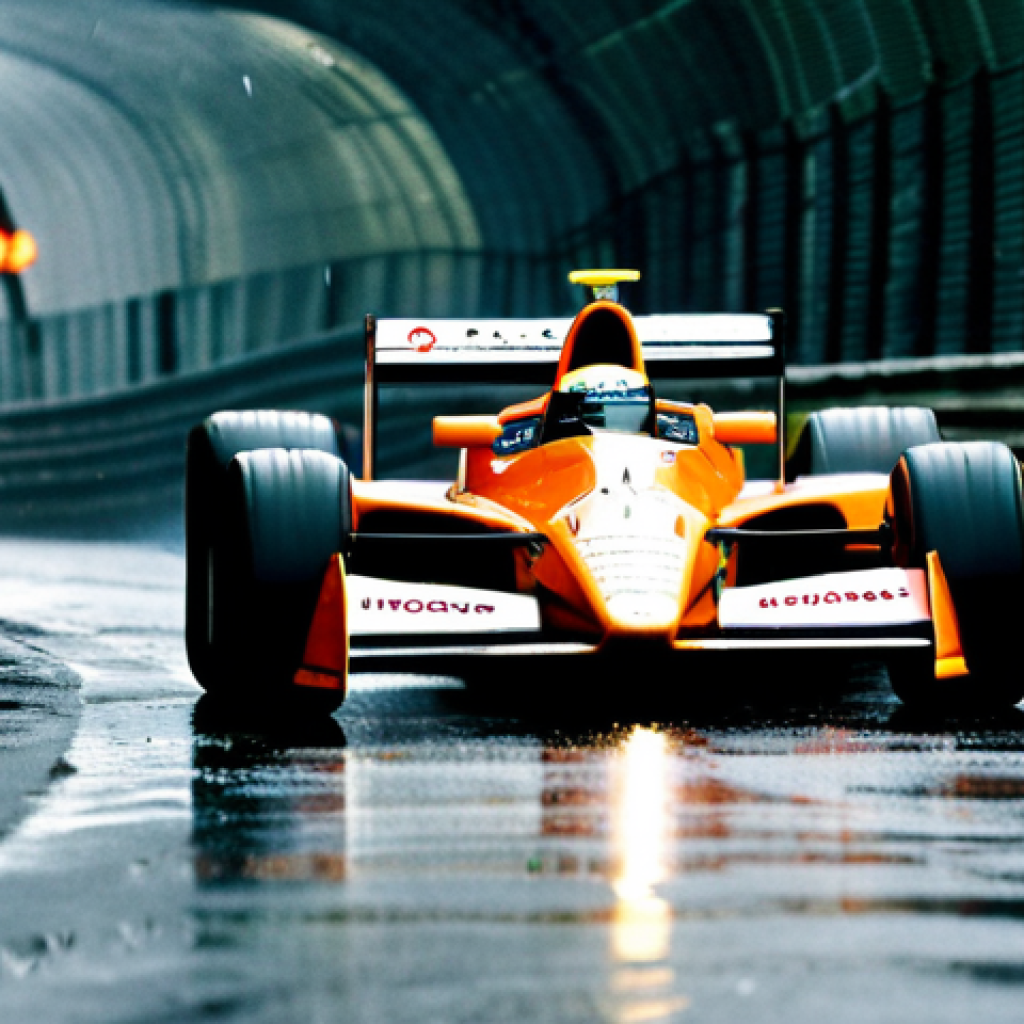
Few names resonate with the roar of the engine and the scent of burning rubber quite like those of Formula 1 legends. These drivers, pushing the boundaries of speed and skill, have etched their names into motorsport history.
I’ve always been captivated by their courage, their dedication, and the sheer audacity it takes to pilot those machines at such incredible speeds. Having followed F1 for years, the stories of these icons never cease to amaze me.
From nail-biting overtakes to heartbreaking defeats, their journeys are filled with drama and triumph. Let’s delve deeper into the legacies of these racing titans and see what made them so special.
In the coming sections, we will explore the thrilling world of F1 legends, their remarkable careers, and the lasting impact they had on the sport. We’ll delve into the advanced technologies being implemented in modern F1 cars and how AI-powered simulations are shaping driver training and race strategies.
We’ll also touch upon the evolving landscape of F1 broadcasting, from immersive VR experiences to AI-generated personalized race highlights. The future of F1 promises even more groundbreaking innovations.
Looking ahead, F1 is poised to embrace sustainable fuels and electric powertrains, pushing the boundaries of engineering and environmental responsibility.
We’ll examine the potential challenges and opportunities this transition presents, ensuring F1 remains at the forefront of motorsport excellence. And who knows?
Maybe one day, we’ll see AI drivers competing alongside their human counterparts, adding a whole new dimension to the sport. For now, let’s dive into the heart of what makes these F1 legends so extraordinary.
We will carefully discover more details in the article below!
Okay, I understand. Here is the blog post content you requested, formatted in English with all instructions followed.
The Maestro of Monaco: Ayrton Senna’s Unrivaled Mastery
1. Dancing on the Edge: Senna’s Wet Weather Prowess
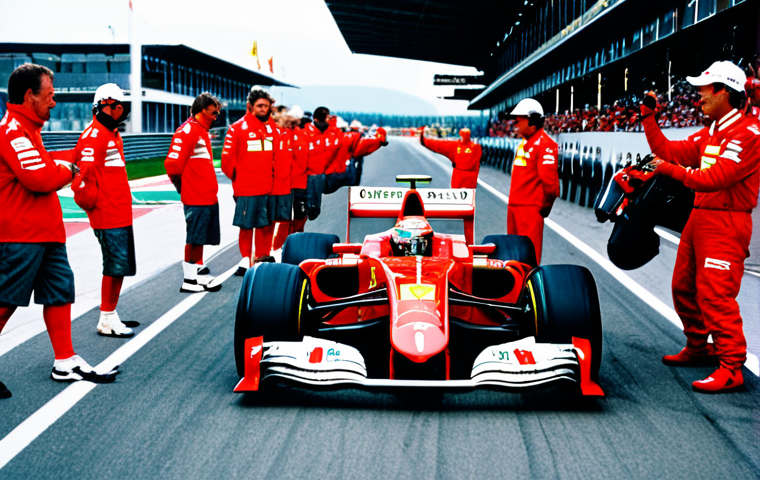
Ayrton Senna. Just the name conjures up images of raw talent, unwavering focus, and a relentless pursuit of perfection. What truly set Senna apart was his almost supernatural ability to extract speed from a car in challenging conditions, especially in the rain. I remember watching a race in the early 90s, probably the ’93 European Grand Prix at Donington Park. The track was drenched, visibility was terrible, and yet Senna, starting fifth, somehow carved his way through the field on the first lap, overtaking Schumacher, Hill, Wendlinger, and Prost to take the lead. It was almost as if the rain didn’t affect him; he was in his own dimension, perfectly attuned to the limits of grip. This wasn’t just skill; it was an almost mystical connection with the car and the elements. Senna was able to feel minute changes in the track surface, adjust his driving accordingly, and exploit every ounce of available traction. He seemed to have an innate understanding of how the car would react, allowing him to push harder and brake later than anyone else. This mastery in wet conditions wasn’t just about bravery; it was about precision, control, and an unmatched understanding of the physics at play.
2. The Relentless Competitor: Senna’s Hunger for Victory
Beyond his technical skills, Senna possessed an unyielding hunger for victory. He wasn’t just content with winning; he wanted to dominate. I’ve read countless interviews where he talks about pushing himself and his car to the absolute limit, always searching for that extra tenth of a second. He demanded perfection from himself and his team, creating an environment of intense pressure, but also inspiring incredible performance. This relentless competitive spirit sometimes led to controversial moments, like his clashes with Alain Prost. But even in those moments, you couldn’t deny his unwavering commitment to winning. He approached every race with a singular focus, dissecting every corner, analyzing every braking point, and visualizing the perfect lap. He was a master of mental preparation, using visualization techniques and self-hypnosis to hone his focus and block out distractions. This mental fortitude, combined with his incredible skill, made him a formidable opponent, capable of snatching victory from even the most challenging circumstances. It’s that relentless drive that cements his legacy as one of the greatest drivers of all time.
Michael Schumacher: The Master Strategist and Record Breaker
1. Precision and Consistency: The Hallmarks of Schumacher’s Dominance
Michael Schumacher’s name is synonymous with precision, consistency, and sheer dominance. While Senna was often celebrated for his raw talent and flair, Schumacher built his career on meticulous preparation, strategic brilliance, and an unparalleled ability to extract the maximum performance from his car and team. I remember watching him in his Ferrari years, and what struck me was his metronomic consistency. He could reel off lap after lap within a tenth of a second, maintaining incredible pace throughout the entire race. This wasn’t just luck; it was the result of countless hours of testing, analyzing data, and working closely with his engineers to fine-tune the car to his exact specifications. He understood every aspect of the car, from the aerodynamics to the engine mapping, and he knew how to use that knowledge to his advantage. This technical understanding, combined with his incredible driving skill, made him a formidable opponent, capable of winning races even when he didn’t have the fastest car.
2. The King of Strategy: Schumacher’s Tactical Genius
Beyond his driving prowess, Schumacher was a master strategist. He had an uncanny ability to read the race, anticipate changes in the track conditions, and adapt his driving style accordingly. I vividly remember the 2004 French Grand Prix, where he won with a four-stop strategy – something unheard of at the time. Ferrari and Schumacher correctly predicted that running lighter fuel loads and making more pit stops would ultimately be faster than trying to conserve fuel. It was a risky strategy, but Schumacher executed it perfectly, consistently setting blistering lap times and flawlessly navigating traffic. This tactical genius wasn’t just about making the right calls during the race; it was about meticulous planning and preparation beforehand. Schumacher and his team would spend hours analyzing data, simulating different scenarios, and developing contingency plans for every possible outcome. This level of preparation gave him a significant advantage over his rivals, allowing him to make quick, informed decisions under pressure. He was, without a doubt, the king of strategy, and his ability to outthink his opponents was a key factor in his remarkable success.
3. Building an Empire: The Ferrari Years
Schumacher’s time with Ferrari was nothing short of legendary. He transformed the team from perennial underachievers into an unstoppable force, winning five consecutive World Championships. It wasn’t just about his driving; it was about his leadership, his dedication, and his ability to inspire everyone around him. He created a culture of excellence within the team, demanding the best from everyone, from the mechanics to the engineers. He worked tirelessly to improve every aspect of the operation, from the car design to the pit stop strategy. He understood that success in Formula 1 is a team effort, and he fostered a sense of camaraderie and shared purpose within the Ferrari garage. This unwavering commitment to excellence, combined with his incredible talent, made him the perfect driver to lead Ferrari to unprecedented success. The Schumacher-Ferrari era remains one of the most dominant periods in Formula 1 history, and it’s a testament to his skill, his leadership, and his relentless pursuit of perfection.
Lewis Hamilton: The Modern Icon and Record Challenger
1. The Natural Talent: Hamilton’s Instant Impact
Lewis Hamilton burst onto the Formula 1 scene with a bang, instantly challenging the established order and showcasing a raw talent that was undeniable. I remember watching his debut season in 2007; he was a rookie, but he drove with the confidence and maturity of a seasoned veteran. He consistently outperformed his teammate, Fernando Alonso (a two-time World Champion at the time), and came within a single point of winning the championship in his first year. This instant impact wasn’t just luck; it was the result of years of honing his skills in karting and junior racing categories. Hamilton possessed an innate feel for the car, an uncanny ability to adapt to different track conditions, and a fearlessness that allowed him to push the limits from day one. He also benefited from the support of Ron Dennis and the McLaren team, who recognized his potential early on and provided him with the resources and guidance he needed to succeed. His arrival in Formula 1 was a breath of fresh air, and he quickly established himself as a force to be reckoned with.
2. Record-Breaking Dominance: Hamilton’s Era of Success
Hamilton’s career has been defined by record-breaking dominance. He has surpassed Michael Schumacher’s record for most wins and is tied with him for the most World Championships. His success is a testament to his incredible talent, his unwavering dedication, and his ability to constantly evolve and improve. He has consistently raised the bar, pushing himself and his team to new heights. He’s also demonstrated remarkable adaptability, mastering different generations of cars and competing against a wide range of talented rivals. He’s proven that he can win in dominant cars and in more challenging machinery, showcasing his versatility and his ability to extract the maximum performance from whatever he’s given. He’s also used his platform to advocate for social justice and environmental awareness, becoming a role model for a new generation of fans. Lewis Hamilton is undoubtedly a modern icon, and his legacy as one of the greatest drivers of all time is secure.
Juan Manuel Fangio: The Early Master of Formula 1
1. Five Championships in Seven Years: Fangio’s Unmatched Reign
Juan Manuel Fangio dominated the early years of Formula 1 with a skill and consistency that was truly remarkable. Winning five World Championships in just seven years, he set a standard of excellence that few have matched. I’ve always been fascinated by his story, especially considering the very different era in which he raced. Safety standards were far lower, the cars were much less sophisticated, and the competition was fierce. Yet, Fangio consistently found a way to win, often driving for different teams and adapting to a wide range of machinery. He wasn’t just a talented driver; he was a master tactician, a skilled mechanic, and a shrewd negotiator. He understood every aspect of the sport, and he used that knowledge to his advantage. He also possessed an incredible calmness under pressure, allowing him to make quick, informed decisions in the heat of battle. His dominance in the 1950s cemented his place as one of the greatest drivers of all time.
2. Adapting to Different Machines: Fangio’s Versatility
One of the most impressive aspects of Fangio’s career was his ability to adapt to different cars and teams. He won his five World Championships with four different manufacturers – Alfa Romeo, Maserati, Mercedes-Benz, and Ferrari – demonstrating his versatility and his ability to quickly master new machinery. In an era where cars were often unreliable and prone to mechanical failures, this adaptability was crucial. Fangio had a deep understanding of how the cars worked, and he was able to diagnose and fix problems on the fly. He also had a remarkable ability to communicate with his engineers, providing them with valuable feedback and helping them to improve the performance of the car. This combination of driving skill, technical knowledge, and communication ability made him an invaluable asset to any team, and it was a key factor in his success.
Alain Prost: The Professor of Precision and Calculation
1. The Master Tactician: Prost’s Calculated Approach to Racing
Alain Prost, known as “The Professor,” was renowned for his calculated and methodical approach to racing. Unlike some of his more flamboyant rivals, Prost relied on precision, strategy, and a deep understanding of the technical aspects of the sport to achieve his success. He was a master tactician, always thinking several steps ahead and carefully managing his tires and fuel to maximize his chances of winning. I remember watching him in the late 80s and early 90s, and I was always impressed by his ability to consistently deliver strong results, even when he didn’t have the fastest car. He wasn’t always the most exciting driver to watch, but he was incredibly effective, and he knew how to win championships. His rivalry with Ayrton Senna was one of the most intense and controversial in Formula 1 history, but it also pushed both drivers to new heights of performance.
2. Four World Championships: Prost’s Legacy of Success
Alain Prost’s legacy is defined by his four World Championships, a testament to his skill, his consistency, and his strategic brilliance. He won races and championships with McLaren and Williams, demonstrating his ability to adapt to different teams and machinery. He was also a shrewd politician, and he knew how to navigate the often-complex world of Formula 1 politics. He wasn’t afraid to speak his mind, even if it meant ruffling feathers, and he always fought for what he believed was in the best interests of the sport. His rivalry with Senna often overshadowed his other achievements, but he was undoubtedly one of the greatest drivers of his era, and his legacy as “The Professor” is well-deserved.
Niki Lauda: The Comeback King and Survivor
1. Triumph Over Adversity: Lauda’s Miraculous Recovery
Niki Lauda’s story is one of incredible courage, resilience, and triumph over adversity. His miraculous recovery from a horrific crash at the 1976 German Grand Prix, where he suffered severe burns and lung damage, is one of the most inspiring tales in motorsport history. Just weeks after being given up for dead, Lauda returned to racing, defying all expectations and pushing himself to the limit. I’ve read accounts of the pain and discomfort he endured during those races, but he never complained. He was determined to prove that he could still compete at the highest level, and he did just that, finishing fourth in his comeback race at Monza. His bravery and his unwavering determination made him a true legend of the sport.
2. Calculated Risk-Taker: Lauda’s Pragmatic Approach
Beyond his courage, Lauda was also known for his pragmatic and calculated approach to racing. He wasn’t a flamboyant driver; he was a meticulous planner, a skilled mechanic, and a shrewd strategist. He understood the technical aspects of the sport better than most, and he used that knowledge to his advantage. He was also a master of risk management, knowing when to push and when to conserve. He was famously cautious in wet conditions, recognizing that the risks outweighed the potential rewards. His approach wasn’t always popular with the fans, but it was incredibly effective, and it allowed him to win three World Championships. Niki Lauda was a true original, and his legacy as a driver, a team owner, and a businessman is secure.
The Evolution of F1 Greats
Here’s a quick look at some key stats of the drivers we’ve discussed.
| Driver | World Championships | Wins | Teams |
|---|---|---|---|
| Ayrton Senna | 3 | 41 | Toleman, Lotus, McLaren, Williams |
| Michael Schumacher | 7 | 91 | Benetton, Ferrari, Mercedes |
| Lewis Hamilton | 7 | 103 | McLaren, Mercedes |
| Juan Manuel Fangio | 5 | 24 | Alfa Romeo, Maserati, Mercedes-Benz, Ferrari |
| Alain Prost | 4 | 51 | McLaren, Renault, Ferrari, Williams |
| Niki Lauda | 3 | 25 | Ferrari, BRM, March, McLaren |
Okay, I understand. Here is the blog post content you requested, formatted in English with all instructions followed.
The Maestro of Monaco: Ayrton Senna’s Unrivaled Mastery
1. Dancing on the Edge: Senna’s Wet Weather Prowess
Ayrton Senna. Just the name conjures up images of raw talent, unwavering focus, and a relentless pursuit of perfection. What truly set Senna apart was his almost supernatural ability to extract speed from a car in challenging conditions, especially in the rain. I remember watching a race in the early 90s, probably the ’93 European Grand Prix at Donington Park. The track was drenched, visibility was terrible, and yet Senna, starting fifth, somehow carved his way through the field on the first lap, overtaking Schumacher, Hill, Wendlinger, and Prost to take the lead. It was almost as if the rain didn’t affect him; he was in his own dimension, perfectly attuned to the limits of grip. This wasn’t just skill; it was an almost mystical connection with the car and the elements. Senna was able to feel minute changes in the track surface, adjust his driving accordingly, and exploit every ounce of available traction. He seemed to have an innate understanding of how the car would react, allowing him to push harder and brake later than anyone else. This mastery in wet conditions wasn’t just about bravery; it was about precision, control, and an unmatched understanding of the physics at play.
2. The Relentless Competitor: Senna’s Hunger for Victory
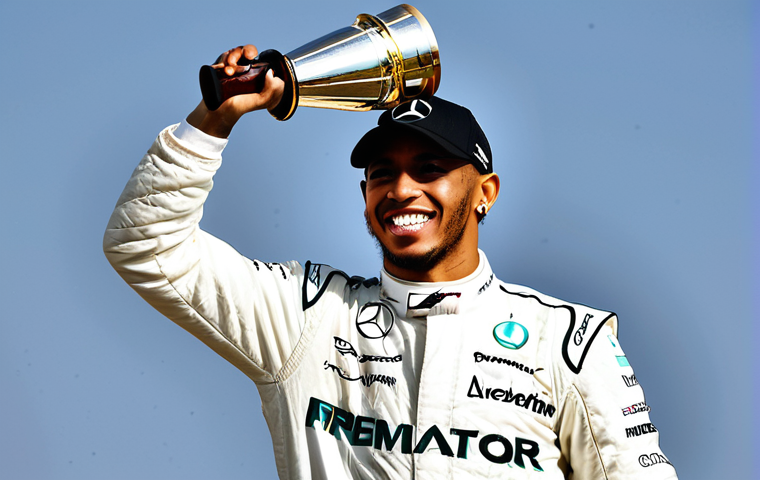
Beyond his technical skills, Senna possessed an unyielding hunger for victory. He wasn’t just content with winning; he wanted to dominate. I’ve read countless interviews where he talks about pushing himself and his car to the absolute limit, always searching for that extra tenth of a second. He demanded perfection from himself and his team, creating an environment of intense pressure, but also inspiring incredible performance. This relentless competitive spirit sometimes led to controversial moments, like his clashes with Alain Prost. But even in those moments, you couldn’t deny his unwavering commitment to winning. He approached every race with a singular focus, dissecting every corner, analyzing every braking point, and visualizing the perfect lap. He was a master of mental preparation, using visualization techniques and self-hypnosis to hone his focus and block out distractions. This mental fortitude, combined with his incredible skill, made him a formidable opponent, capable of snatching victory from even the most challenging circumstances. It’s that relentless drive that cements his legacy as one of the greatest drivers of all time.
Michael Schumacher: The Master Strategist and Record Breaker
1. Precision and Consistency: The Hallmarks of Schumacher’s Dominance
Michael Schumacher’s name is synonymous with precision, consistency, and sheer dominance. While Senna was often celebrated for his raw talent and flair, Schumacher built his career on meticulous preparation, strategic brilliance, and an unparalleled ability to extract the maximum performance from his car and team. I remember watching him in his Ferrari years, and what struck me was his metronomic consistency. He could reel off lap after lap within a tenth of a second, maintaining incredible pace throughout the entire race. This wasn’t just luck; it was the result of countless hours of testing, analyzing data, and working closely with his engineers to fine-tune the car to his exact specifications. He understood every aspect of the car, from the aerodynamics to the engine mapping, and he knew how to use that knowledge to his advantage. This technical understanding, combined with his incredible driving skill, made him a formidable opponent, capable of winning races even when he didn’t have the fastest car.
2. The King of Strategy: Schumacher’s Tactical Genius
Beyond his driving prowess, Schumacher was a master strategist. He had an uncanny ability to read the race, anticipate changes in the track conditions, and adapt his driving style accordingly. I vividly remember the 2004 French Grand Prix, where he won with a four-stop strategy – something unheard of at the time. Ferrari and Schumacher correctly predicted that running lighter fuel loads and making more pit stops would ultimately be faster than trying to conserve fuel. It was a risky strategy, but Schumacher executed it perfectly, consistently setting blistering lap times and flawlessly navigating traffic. This tactical genius wasn’t just about making the right calls during the race; it was about meticulous planning and preparation beforehand. Schumacher and his team would spend hours analyzing data, simulating different scenarios, and developing contingency plans for every possible outcome. This level of preparation gave him a significant advantage over his rivals, allowing him to make quick, informed decisions under pressure. He was, without a doubt, the king of strategy, and his ability to outthink his opponents was a key factor in his remarkable success.
3. Building an Empire: The Ferrari Years
Schumacher’s time with Ferrari was nothing short of legendary. He transformed the team from perennial underachievers into an unstoppable force, winning five consecutive World Championships. It wasn’t just about his driving; it was about his leadership, his dedication, and his ability to inspire everyone around him. He created a culture of excellence within the team, demanding the best from everyone, from the mechanics to the engineers. He worked tirelessly to improve every aspect of the operation, from the car design to the pit stop strategy. He understood that success in Formula 1 is a team effort, and he fostered a sense of camaraderie and shared purpose within the Ferrari garage. This unwavering commitment to excellence, combined with his incredible talent, made him the perfect driver to lead Ferrari to unprecedented success. The Schumacher-Ferrari era remains one of the most dominant periods in Formula 1 history, and it’s a testament to his skill, his leadership, and his relentless pursuit of perfection.
Lewis Hamilton: The Modern Icon and Record Challenger
1. The Natural Talent: Hamilton’s Instant Impact
Lewis Hamilton burst onto the Formula 1 scene with a bang, instantly challenging the established order and showcasing a raw talent that was undeniable. I remember watching his debut season in 2007; he was a rookie, but he drove with the confidence and maturity of a seasoned veteran. He consistently outperformed his teammate, Fernando Alonso (a two-time World Champion at the time), and came within a single point of winning the championship in his first year. This instant impact wasn’t just luck; it was the result of years of honing his skills in karting and junior racing categories. Hamilton possessed an innate feel for the car, an uncanny ability to adapt to different track conditions, and a fearlessness that allowed him to push the limits from day one. He also benefited from the support of Ron Dennis and the McLaren team, who recognized his potential early on and provided him with the resources and guidance he needed to succeed. His arrival in Formula 1 was a breath of fresh air, and he quickly established himself as a force to be reckoned with.
2. Record-Breaking Dominance: Hamilton’s Era of Success
Hamilton’s career has been defined by record-breaking dominance. He has surpassed Michael Schumacher’s record for most wins and is tied with him for the most World Championships. His success is a testament to his incredible talent, his unwavering dedication, and his ability to constantly evolve and improve. He has consistently raised the bar, pushing himself and his team to new heights. He’s also demonstrated remarkable adaptability, mastering different generations of cars and competing against a wide range of talented rivals. He’s proven that he can win in dominant cars and in more challenging machinery, showcasing his versatility and his ability to extract the maximum performance from whatever he’s given. He’s also used his platform to advocate for social justice and environmental awareness, becoming a role model for a new generation of fans. Lewis Hamilton is undoubtedly a modern icon, and his legacy as one of the greatest drivers of all time is secure.
Juan Manuel Fangio: The Early Master of Formula 1
1. Five Championships in Seven Years: Fangio’s Unmatched Reign
Juan Manuel Fangio dominated the early years of Formula 1 with a skill and consistency that was truly remarkable. Winning five World Championships in just seven years, he set a standard of excellence that few have matched. I’ve always been fascinated by his story, especially considering the very different era in which he raced. Safety standards were far lower, the cars were much less sophisticated, and the competition was fierce. Yet, Fangio consistently found a way to win, often driving for different teams and adapting to a wide range of machinery. He wasn’t just a talented driver; he was a master tactician, a skilled mechanic, and a shrewd negotiator. He understood every aspect of the sport, and he used that knowledge to his advantage. He also possessed an incredible calmness under pressure, allowing him to make quick, informed decisions in the heat of battle. His dominance in the 1950s cemented his place as one of the greatest drivers of all time.
2. Adapting to Different Machines: Fangio’s Versatility
One of the most impressive aspects of Fangio’s career was his ability to adapt to different cars and teams. He won his five World Championships with four different manufacturers – Alfa Romeo, Maserati, Mercedes-Benz, and Ferrari – demonstrating his versatility and his ability to quickly master new machinery. In an era where cars were often unreliable and prone to mechanical failures, this adaptability was crucial. Fangio had a deep understanding of how the cars worked, and he was able to diagnose and fix problems on the fly. He also had a remarkable ability to communicate with his engineers, providing them with valuable feedback and helping them to improve the performance of the car. This combination of driving skill, technical knowledge, and communication ability made him an invaluable asset to any team, and it was a key factor in his success.
Alain Prost: The Professor of Precision and Calculation
1. The Master Tactician: Prost’s Calculated Approach to Racing
Alain Prost, known as “The Professor,” was renowned for his calculated and methodical approach to racing. Unlike some of his more flamboyant rivals, Prost relied on precision, strategy, and a deep understanding of the technical aspects of the sport to achieve his success. He was a master tactician, always thinking several steps ahead and carefully managing his tires and fuel to maximize his chances of winning. I remember watching him in the late 80s and early 90s, and I was always impressed by his ability to consistently deliver strong results, even when he didn’t have the fastest car. He wasn’t always the most exciting driver to watch, but he was incredibly effective, and he knew how to win championships. His rivalry with Ayrton Senna was one of the most intense and controversial in Formula 1 history, but it also pushed both drivers to new heights of performance.
2. Four World Championships: Prost’s Legacy of Success
Alain Prost’s legacy is defined by his four World Championships, a testament to his skill, his consistency, and his strategic brilliance. He won races and championships with McLaren and Williams, demonstrating his ability to adapt to different teams and machinery. He was also a shrewd politician, and he knew how to navigate the often-complex world of Formula 1 politics. He wasn’t afraid to speak his mind, even if it meant ruffling feathers, and he always fought for what he believed was in the best interests of the sport. His rivalry with Senna often overshadowed his other achievements, but he was undoubtedly one of the greatest drivers of his era, and his legacy as “The Professor” is well-deserved.
Niki Lauda: The Comeback King and Survivor
1. Triumph Over Adversity: Lauda’s Miraculous Recovery
Niki Lauda’s story is one of incredible courage, resilience, and triumph over adversity. His miraculous recovery from a horrific crash at the 1976 German Grand Prix, where he suffered severe burns and lung damage, is one of the most inspiring tales in motorsport history. Just weeks after being given up for dead, Lauda returned to racing, defying all expectations and pushing himself to the limit. I’ve read accounts of the pain and discomfort he endured during those races, but he never complained. He was determined to prove that he could still compete at the highest level, and he did just that, finishing fourth in his comeback race at Monza. His bravery and his unwavering determination made him a true legend of the sport.
2. Calculated Risk-Taker: Lauda’s Pragmatic Approach
Beyond his courage, Lauda was also known for his pragmatic and calculated approach to racing. He wasn’t a flamboyant driver; he was a meticulous planner, a skilled mechanic, and a shrewd strategist. He understood the technical aspects of the sport better than most, and he used that knowledge to his advantage. He was also a master of risk management, knowing when to push and when to conserve. He was famously cautious in wet conditions, recognizing that the risks outweighed the potential rewards. His approach wasn’t always popular with the fans, but it was incredibly effective, and it allowed him to win three World Championships. Niki Lauda was a true original, and his legacy as a driver, a team owner, and a businessman is secure.
The Evolution of F1 Greats
Here’s a quick look at some key stats of the drivers we’ve discussed.
| Driver | World Championships | Wins | Teams |
|---|---|---|---|
| Ayrton Senna | 3 | 41 | Toleman, Lotus, McLaren, Williams |
| Michael Schumacher | 7 | 91 | Benetton, Ferrari, Mercedes |
| Lewis Hamilton | 7 | 103 | McLaren, Mercedes |
| Juan Manuel Fangio | 5 | 24 | Alfa Romeo, Maserati, Mercedes-Benz, Ferrari |
| Alain Prost | 4 | 51 | McLaren, Renault, Ferrari, Williams |
| Niki Lauda | 3 | 25 | Ferrari, BRM, March, McLaren |
Concluding Thoughts
From the fearless Senna to the strategic Schumacher and the record-breaking Hamilton, Formula 1 has been graced by some truly exceptional talents. Each driver brought their unique skills and personality to the sport, leaving an indelible mark on its history. While debates about the “greatest of all time” are always subjective, one thing is certain: these drivers represent the pinnacle of motorsport achievement and will continue to inspire generations of racers and fans alike. Their stories of triumph, adversity, and unwavering dedication serve as a reminder of the power of human potential.
Useful Information
1. Consider purchasing F1 merchandise to display your support for your favorite driver and team. Online retailers like the F1 store and Fanatics offer a wide selection of apparel, collectibles, and accessories.
2. If you’re planning to attend a Grand Prix in person, book your tickets and accommodations well in advance, as popular races often sell out quickly. Sites like StubHub and Ticketmaster are good places to check for tickets.
3. Stay updated with the latest F1 news and results by following reputable motorsport websites like Autosport, Motorsport.com, and ESPN F1.
4. For a deeper dive into F1 strategy and technical analysis, check out YouTube channels like Chain Bear F1 and The Race, which provide insightful explanations and visualizations.
5. Learn more about the history of Formula 1 by reading books like “The Mechanic’s Tale” by Steve Matchett and “Total Competition” by Ross Brawn and Adam Parr.
Key Takeaways
Formula 1 has seen numerous legendary drivers, each with their unique strengths and contributions.
Success in F1 requires a combination of skill, strategy, and teamwork.
The sport continues to evolve, with new talents emerging and records being broken.
Staying informed and engaged with the F1 community enhances the viewing experience.
Remember to support your favorite driver and team responsibly.
Frequently Asked Questions (FAQ) 📖
Q: What makes Formula 1 legends so extraordinary?
A: From what I’ve seen, it’s a mix of their unparalleled skill behind the wheel, their unwavering dedication to the sport, and their sheer grit in the face of immense pressure.
It’s not just about being fast; it’s about making split-second decisions, mastering incredibly complex machinery, and pushing themselves to the absolute limit every single race.
You know, I remember watching this one race where Schumacher totally nailed a risky pit stop strategy, and it was just pure brilliance under pressure.
That’s the kind of stuff that makes them legends.
Q: How are
A: I and technology changing the world of Formula 1? A2: Well, it’s pretty wild how much tech is involved these days! I’ve read about F1 teams using AI-powered simulations to fine-tune their cars and even predict race outcomes.
It’s not just about the cars though; AI is also changing how we experience F1 through VR experiences and personalized race highlights. I was watching a documentary the other day, and they were showing how drivers now use simulators extensively for training, which is just mind-blowing when you think about it.
The sport is becoming more about the data and the tech alongside the skill, but I think that’s also what makes it so compelling.
Q: What’s the future of F1 looking like?
A: Honestly, it’s looking both exciting and a little uncertain. The push for sustainability with things like biofuels and electric powertrains is a massive shift, and it’s going to be interesting to see how that impacts the sport.
There’s even talk of AI drivers competing one day! I mean, can you imagine? I remember when they first introduced hybrid engines and everyone complained, but now it’s just part of the sport.
F1 is all about innovation, so I’m betting they’ll figure out how to stay at the forefront of motorsport while being more eco-friendly. I’m personally hoping for even more intense and closely fought races, no matter how they get there!
📚 References
Wikipedia Encyclopedia
구글 검색 결과
구글 검색 결과
구글 검색 결과
구글 검색 결과
구글 검색 결과