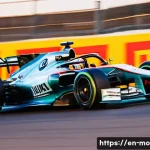
Capturing the thrill of motorsports through photography is both challenging and exhilarating. The speed, the roar of engines, and the intense competition create moments that demand sharp focus and quick reflexes.
Whether you’re a beginner or looking to refine your skills, understanding how to anticipate action and master your camera settings is key. I’ve spent countless hours trackside, learning what works best to freeze those split-second moments in stunning detail.
If you want to take your motorsport photography to the next level, let’s dive into the essential tips and techniques that can help you nail every shot.
Stick around—I’ll walk you through everything you need to know!
Mastering Your Camera Settings for Speed
Choosing the Right Shutter Speed
When you’re trying to capture cars zooming past at 150 miles per hour, shutter speed is your best friend. From my experience, anything slower than 1/1000th of a second risks blurring your subject unless you’re going for creative motion blur.
I usually set my shutter speed between 1/1500 and 1/4000 to freeze the action crisply. The faster the shutter speed, the more light you need, so balancing ISO and aperture becomes crucial.
If you shoot outdoors on a sunny day, this is easier, but cloudy or dusk conditions demand adjustments.
Balancing ISO and Aperture
High shutter speeds require more light, so bumping up the ISO is often necessary. However, pushing ISO too high introduces noise, which can ruin the sharpness and clarity of your shots.
From personal trials, I try to keep ISO under 1600, especially when using crop sensors, to maintain image quality. As for aperture, a wider aperture (like f/2.8 to f/4) helps with light intake but reduces depth of field, making focus more challenging.
I tend to stick around f/4 to f/5.6 for a good balance—sharp subject and some background context.
Using Continuous Autofocus and Burst Mode
Tracking a speeding car isn’t a one-shot deal. Continuous autofocus (AF-C) lets your camera keep adjusting focus while the car moves, which dramatically improves your hit rate.
Pair this with burst mode to shoot multiple frames per second; you’ll increase your chances of nailing that perfect moment when the car’s wheels kick up dust or the driver leans into a turn.
I can’t stress enough how these two features combined have saved me from missing shots that happen in a split second.
Positioning Yourself for the Best Angles
Scout Your Location Early
Arriving at the track well before the race starts gives you the chance to find the best vantage points. I always walk the circuit, checking for spots where the background isn’t distracting and where the cars slow down or take sharp turns.
Corners and chicanes are gold mines for dynamic shots because the cars naturally decelerate and drivers show more skill, giving you a chance to capture intense facial expressions or tire smoke.
Safety and Access Considerations
Motorsport venues often have strict safety zones, and respecting them is vital for your safety and the event’s continuation. I’ve learned to balance getting close enough for impactful shots while staying within authorized areas.
Sometimes, investing in a media pass or special access wristband can open up exclusive locations, like pit lane or grid shots, which add variety and depth to your portfolio.
Experimenting with Different Perspectives
Don’t just stick to eye level—try crouching low for a dramatic ground-up view or finding elevated stands to shoot down on the track. I found that low angles emphasize the speed and power of the cars, while aerial views show the complexity of the circuit and racing lines.
Changing your perspective keeps your images fresh and engaging, and it’s a fun way to challenge yourself creatively.
Understanding Lighting and Weather Effects
Utilizing Natural Light to Your Advantage
The quality of light can make or break your motorsport shots. Early morning or late afternoon golden hours provide warm, soft light that enhances colors and textures.
Midday sun, while harsh, can create stark shadows and highlight details like tire rubber and car body reflections. I’ve noticed that positioning yourself with the sun behind you keeps the cars brightly lit, but sometimes shooting into the light adds dramatic silhouettes and flare effects.
Adjusting to Changing Weather Conditions
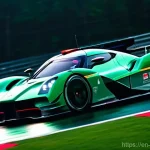
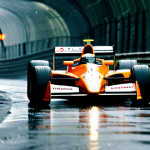
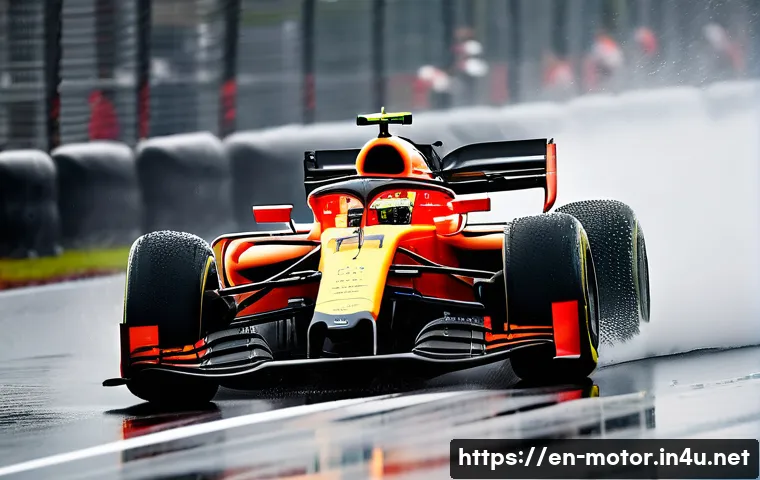
Rain or overcast skies bring unique challenges and opportunities. Wet tracks create reflections and spray, adding dynamic elements that tell a story of the race’s intensity.
I recall a rainy race where capturing the spray behind the cars made the photos come alive with motion and energy. In low light or cloudy conditions, bump up your ISO and open your aperture to maintain shutter speeds, but watch for noise and depth of field compromises.
Using Artificial Lighting and Flash
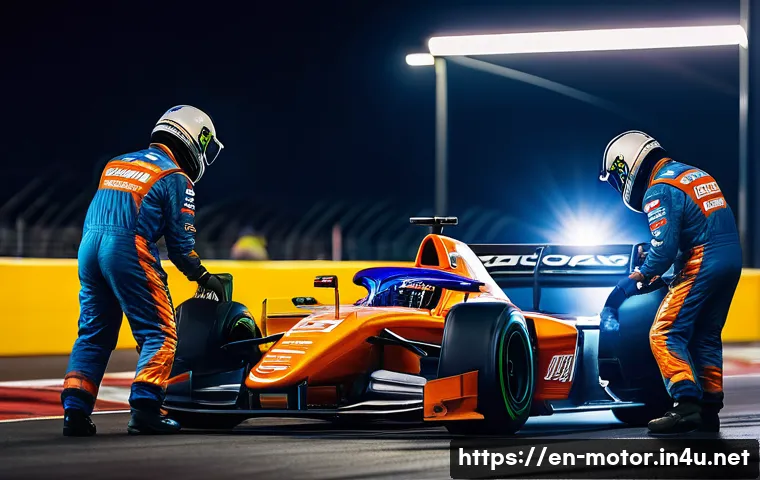
Although less common in outdoor motorsport photography, flash can be helpful during pit stops or night races. A well-timed flash can freeze motion and highlight details that ambient light misses, like a driver’s focused expression or intricate car decals.
I’ve experimented with off-camera flash setups during night events, and while tricky, it can produce stunning, high-contrast images that stand out from typical race photos.
Composing Shots to Tell a Story
Incorporating Background and Environment
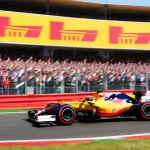
A car alone can be impressive, but including elements like grandstands, crowds, or banners adds context and emotion to your shots. I always try to frame my subjects so the background tells part of the story—whether it’s a cheering crowd or a dramatic mountain backdrop.
This approach transforms mere documentation into storytelling, making viewers feel like they’re part of the event.
Using Leading Lines and Framing
Tracks naturally create leading lines, such as curbs, fences, and tire marks, which guide the viewer’s eye directly to the car. Positioning yourself so these lines converge within the frame enhances the photo’s impact.
Also, framing the car within natural elements like trees or barriers adds depth and draws attention. I’ve found that thoughtful composition can elevate a technically good shot into something memorable.
Capturing Emotion and Human Elements
Motorsport isn’t just about machines—it’s about passion, competition, and teamwork. Shots of drivers in the cockpit, mechanics working frantically in the pits, or fans cheering capture the human side of racing.
I always keep an eye out for these moments because they add emotional weight and make my portfolio more relatable and diverse.
Post-Processing Tips for Impactful Images
Enhancing Sharpness and Clarity
Even the best shot can benefit from a little sharpening in post. I use tools like Adobe Lightroom to fine-tune clarity and bring out textures in the cars’ bodies and tires.
Overdoing it can lead to unnatural edges, so subtle adjustments work best. A good rule of thumb is to zoom in to 100% during editing to ensure you’re enhancing details without introducing artifacts.
Color Correction and Contrast Adjustment
Adjusting white balance and contrast can dramatically improve the mood of your photos. For example, cooling down the temperature slightly on overcast days restores natural colors, while increasing contrast adds punch and drama.
I often tweak vibrance and saturation to make race liveries pop without oversaturating skin tones or backgrounds.
Cropping for Better Composition
Sometimes, cropping is all it takes to transform an image. Tightening the frame around the car removes distractions and focuses attention on the subject.
In some cases, I crop to a panoramic ratio to emphasize speed and direction. Experimenting with different crops during editing helps me discover unexpected compositions that work better than the original shot.
Essential Gear Recommendations
Lenses That Deliver Performance
For motorsport photography, fast telephoto lenses are indispensable. I typically use a 70-200mm f/2.8 for versatility and a 300mm or 400mm prime for distant action.
The wide aperture lets in more light and helps isolate the subject from the background. Prime lenses also tend to deliver sharper images, but zooms give you more flexibility when moving around the track is limited.
Camera Bodies with Fast Autofocus
Having a camera with reliable, quick autofocus and high burst rates makes a huge difference. Mirrorless cameras like the Sony A9 or Canon R5 have become my go-to because of their silent shooting and advanced tracking capabilities.
DSLRs still hold strong, especially for battery life and ruggedness, but the autofocus advancements in mirrorless systems have changed the game.
Support and Accessories
While handheld shooting is common, a monopod can stabilize your shots without sacrificing mobility. I’ve found that monopods reduce fatigue during long races and help maintain sharper images when panning.
Other accessories like lens hoods, extra batteries, and weather protection gear are must-haves to keep you shooting all day, rain or shine.
| Gear Type | Recommended Model | Key Benefit | Approximate Cost |
|---|---|---|---|
| Telephoto Zoom Lens | Canon EF 70-200mm f/2.8L IS III | Versatility, fast aperture for low light | $2,100 |
| Prime Telephoto Lens | Sony FE 400mm f/2.8 GM | Exceptional sharpness, excellent subject isolation | $12,000 |
| Camera Body | Sony A9 II | Fast autofocus, high burst rate, silent shooting | $4,500 |
| Support | Manfrotto Monopod | Lightweight stabilization, reduces fatigue | $150 |
Techniques for Capturing Motion and Speed
Panning to Convey Velocity
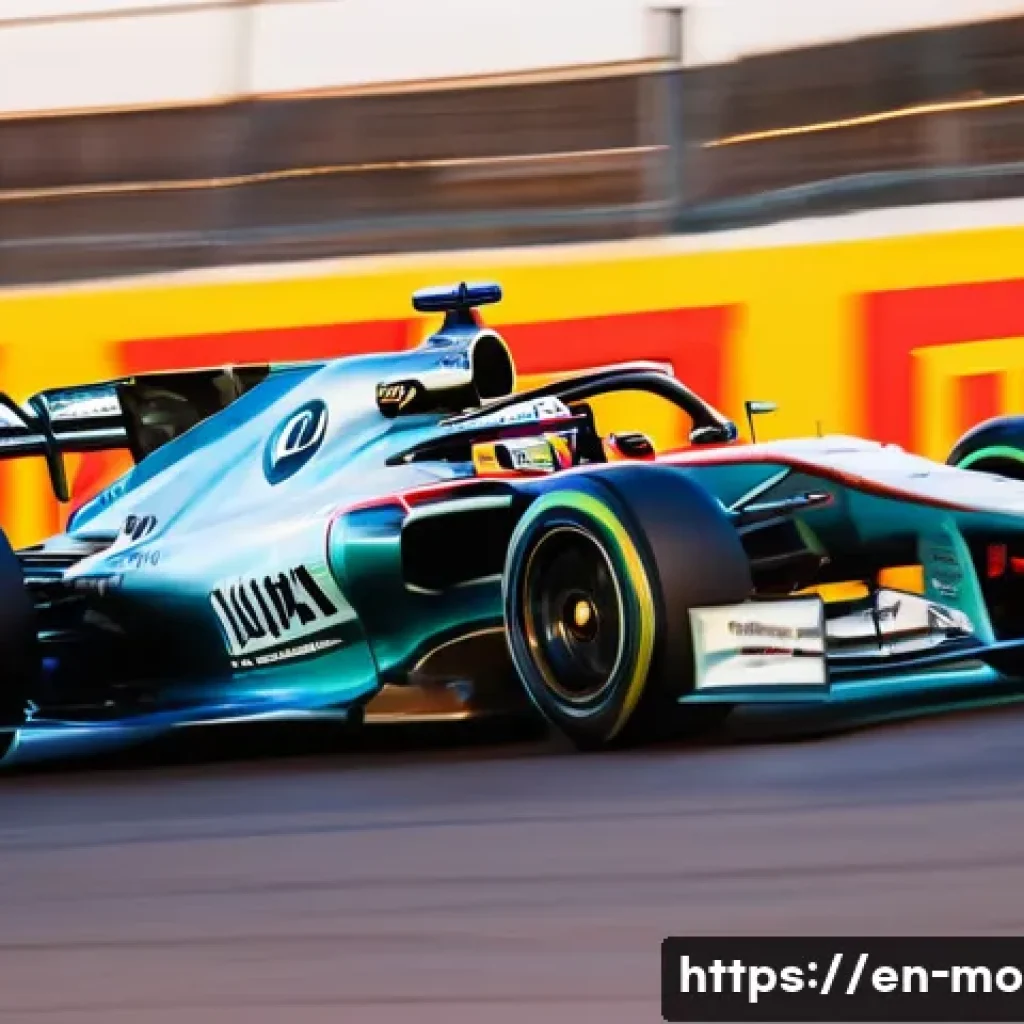
Panning is a technique where you follow the car’s movement with your camera, matching its speed. This keeps the car sharp while blurring the background, creating a dynamic sense of motion.
It takes practice to get right—I remember spending hours at the track just perfecting my timing and smoothness. The key is a steady hand and continuous focus tracking.
Using Burst Shots to Capture the Peak Moment
Rather than relying on a single click, burst mode lets you capture a rapid sequence of frames. This is invaluable for motorsports where the perfect expression, wheel angle, or spray effect might only last a fraction of a second.
Reviewing bursts also helps you analyze and improve your timing over time.
Experimenting with Shutter Dragging
Shutter dragging involves using a slightly slower shutter speed, such as 1/60 to 1/125, while panning. This produces a creative blur on the wheels or background while keeping the main subject relatively sharp.
I tried this technique during practice sessions and was amazed at how it added an artistic flair to otherwise straightforward shots.
Building a Portfolio and Sharing Your Work
Curating Your Best Shots
Quality over quantity is the mantra here. I always sift through hundreds of images after an event, picking only those with perfect focus, composition, and storytelling.
A tightly curated portfolio reflects professionalism and helps attract clients or followers who appreciate your style.
Using Social Media and Photography Platforms
Instagram, Flickr, and specialized motorsport forums are great places to showcase your work. Posting regularly and engaging with fellow photographers and fans builds a community around your passion.
I’ve found that behind-the-scenes stories or technical tips shared alongside images boost engagement significantly.
Offering Prints and Licensing
Monetizing your motorsport photography can start with selling prints or digital licenses. High-quality prints of iconic race moments appeal to fans and collectors.
Licensing images to publications or event organizers provides another revenue stream. Building relationships in the motorsport community over time opens doors for paid opportunities.
글을 마치며
Mastering motorsport photography is both a technical challenge and a creative adventure. With the right camera settings, positioning, and an eye for storytelling, you can capture thrilling moments that truly reflect the speed and passion of racing. Remember, practice and patience are key to refining your skills and developing a unique style that stands out. Whether you’re shooting for fun or building a professional portfolio, every race offers new opportunities to improve and impress.
알아두면 쓸모 있는 정보
1. Always carry extra batteries and memory cards; motorsport events can be long and demanding on your gear.
2. Use weather-sealed equipment or protective covers to safeguard your camera in unpredictable conditions.
3. Practice panning with slower-moving subjects before the race to get comfortable with tracking fast cars.
4. Engage with the motorsport community online to learn from others and share your work for feedback.
5. Experiment with different shutter speeds and angles during practice sessions to discover your signature shooting style.
중요 사항 정리
Successful motorsport photography hinges on balancing fast shutter speeds with proper ISO and aperture settings to freeze action without sacrificing image quality. Positioning yourself thoughtfully and respecting safety zones enhances both the quality and safety of your shots. Leveraging continuous autofocus and burst mode significantly increases your chances of capturing peak moments. Don’t underestimate the power of natural light and weather conditions—they add mood and dynamism to your photos. Lastly, post-processing and careful composition help transform technical captures into compelling, story-driven images that resonate with viewers and potential clients alike.
Frequently Asked Questions (FAQ) 📖
Q: What camera settings are best for capturing fast-moving motorsport action?
A: From my experience, using a fast shutter speed—usually 1/1000 second or faster—is crucial to freeze the motion without blur. Pair this with continuous autofocus (AI Servo or AF-C mode) to keep the subject sharp as it moves.
I also recommend shooting in burst mode to capture a series of shots, increasing your chances of nailing that perfect moment. Aperture should be wide enough (around f/2.8 to f/5.6) to allow more light in, but not so wide that your depth of field becomes too shallow, which can make focusing tricky.
Don’t forget to adjust your ISO based on lighting conditions to maintain a good exposure without introducing too much noise.
Q: How can I anticipate the best moments to capture during a motorsport event?
A: Anticipation comes with understanding the sport and being familiar with the track layout. For example, I’ve noticed that corners, braking zones, and overtaking spots are where the most dramatic action happens.
Watching practice sessions or races beforehand helps me predict when and where the cars will be doing something exciting. Also, listening to the crowd and other photographers around can give hints about upcoming key moments.
Position yourself strategically to capture the cars head-on or from a dynamic angle to add energy to your shots. Over time, your reflexes will sharpen, and you’ll instinctively know when to press the shutter.
Q: What lenses and gear do you recommend for motorsport photography?
A: Based on what I’ve used trackside, a telephoto zoom lens in the 70-200mm or 100-400mm range is a solid choice—it gives you flexibility to frame shots from a distance while still getting close-up details.
Prime lenses with wide apertures can be great too, but zooms offer more versatility during fast-paced events. A sturdy monopod or tripod with a gimbal head helps stabilize your camera, especially when panning with moving cars, reducing fatigue during long shoots.
Lastly, weather protection for your gear is a must since motorsport events can be unpredictable with rain or dust. Investing in a comfortable camera strap and extra batteries will keep you shooting longer without hassle.